
Advice and inspiration
-
Sizing a cooker hood: airflow, width and mounting height
Choosing a suitable cooker hood involves more than seeking the highest airflow figure. The hob, kitchen layout, ducting and mounting all affect the options. These points help you compare meaningfully.
Choosing a suitable cooker hood involves more than seeking the highest airflow figure. The hob, kitchen layout, ducting and mounting all affect the options. These points help you compare meaningfully.
1. Airflow in the context of your kitchen
Stated airflow provides information about capacity under specified conditions. The actual installation can affect operation through duct length, bends and filters, for example.
A fixed formula based only on room volume is not sufficient for every open-plan kitchen or integrated extraction system. Bring measurements and hob details and have the installation considered as a whole.
2. Choosing the type of hood
- Built-in: for suitable wall cabinets or other designated installation spaces.
- Wall-mounted: matched to the hob, space and available ducting.
- Island or ceiling: consider position, mounting and capture of cooking vapours.
- Integrated extraction: check suitability of the hob, worktop and cabinet space.
A visible model is not automatically easier to install than a built-in solution.
3. Ducted extraction or recirculation
Ducted extraction sends air outside through suitable ducting. Check that this is possible and permitted, including replacement-air and ventilation requirements.
Recirculation filters air and returns it to the kitchen. An odour filter does not replace the grease filter, and cooking moisture is not removed outdoors. See our article on cooker hood filters.
4. Width and mounting height
Suitable width and distance above the hob follow the requirements of both appliances. Gas and electric cooking can have different conditions. Do not use a general distance as a universal rule; ceiling and worktop extraction also require different approaches.
5. Noise and maintenance
Compare noise at an extraction setting you will actually need. Higher settings and unsuitable ducting may be more audible. Clean grease filters and replace or regenerate odour filters according to the system rather than one interval for every model.
Advice based on your measurements
Bring kitchen dimensions, photos, hob details and existing ducting information to Servicadet in Stockel. We help you compare cooker hoods according to installation, use and maintenance.
-
Steam ovens: what can steam add to everyday cooking?
A steam oven or combination steam oven can add options to everyday cooking. Preparing vegetables, reheating a dish or adding moisture during baking may be possible depending on the model. Not every oven with steam offers the same…
A steam oven or combination steam oven can add options to everyday cooking. Preparing vegetables, reheating a dish or adding moisture during baking may be possible depending on the model. Not every oven with steam offers the same functions.
What does steam do?
Steam introduces moisture into cooking. This may help achieve the desired texture for certain foods. Results also depend on temperature, time, quantity and recipe.
It does not prevent drying under every condition, and no appliance guarantees preservation of every nutrient. Avoid choosing solely on a blanket health promise.
Comparing steam and hot air
Pure steam and hot-air functions do different things. Steam may suit certain vegetables, fish or other preparations. Hot air may be useful for browning, gratins and baking.
Check permitted accessories and dishes. The right method depends on what you want to make.
What is a combination steam oven?
A combination steam oven can combine conventional heat with steam capabilities. Steam quantities and available combinations vary. An oven with limited steam assistance is not automatically equivalent to a full steam oven.
Compare programmes for your bread, baking and other recipes and check available manual settings.
Everyday meals and reheating
Moisture may help reheat suitable dishes pleasantly. That does not mean every leftover regains its original texture. Follow food-safety advice and instructions for storage and thorough reheating.
Multi-level cooking may be practical when the appliance and dishes are suitable. Timings and settings still matter; do not assume every meal will be quicker.
Maintenance and water supply
Check whether the oven uses a reservoir or fixed water connection. Follow instructions for filling, emptying, drying and descaling. Clean the cavity and accessories with suitable products too.
Maintenance therefore involves more than responding to a descaling reminder. The specific manual determines the necessary steps.
Discussing your choice
Do you mainly want to steam vegetables, bake bread or reheat meals? At Servicadet in Stockel, we compare ovens according to your recipes, available space and budget so you choose features you will use.
-
Open-plan kitchen: choosing appliances with noise in mind
An open-plan kitchen connects cooking with living space. Households in Auderghem, Watermael-Boitsfort and neighbouring areas therefore often consider acoustic comfort too. What you hear depends on installation and the room as well as the appliance.
An open-plan kitchen connects cooking with living space. Households in Auderghem, Watermael-Boitsfort and neighbouring areas therefore often consider acoustic comfort too. What you hear depends on installation and the room as well as the appliance.

Why consider noise?
A dishwasher during a film or a hood during conversation can be noticeable. Think about when you use appliances and where people sit or work. The highest noise figure on paper does not always identify the most intrusive appliance in your home.
Comparing decibels correctly
Compare figures under the same measurement conditions and at comparable operating levels. A fridge rating cannot be placed beside a hood’s maximum-speed figure without context. Decibels are not linear; a small numerical difference is not simply the same percentage change in perceived loudness.
The dishwasher
For dishwashers, check stated noise and class alongside cycle duration and installation requirements. A quieter programme may have other differences. Correct fitting and clearance around connections help limit unwanted vibration.
The cooker hood
Choose a cooker hood for your hob and installation. Compare noise at a useful extraction speed, not only the lowest setting. Ducts, bends and filters can affect operation.
See our guidance on sizing a cooker hood. Ducted extraction is not automatically quieter than recirculation in every installation.
The fridge
A fridge can make recurring compressor, fan or refrigerant sounds. Compare product figures and ensure stable positioning and required ventilation. A newer technology or higher price does not automatically guarantee silence.
The induction hob
An induction hob can produce fan noise or sounds from its interaction with cookware. Pan construction and power settings influence this too. Ask which sounds the manufacturer considers normal.
A balanced choice
Compare noise alongside capacity, energy use and your home. Appropriate sizing and correct installation matter more than maximum performance alone.
At Servicadet in Stockel, we help you weigh the options. Describe your open-plan layout and when you use appliances so we can advise specifically.
-
Airfryer or oven: which uses less electricity?
An airfryer heats a relatively small cooking space and can be practical for quick portions. But does it always use less electricity than an oven? Food quantity, cooking time and the number of consecutive batches all affect the…
An airfryer heats a relatively small cooking space and can be practical for quick portions. But does it always use less electricity than an oven? Food quantity, cooking time and the number of consecutive batches all affect the answer.
Why an airfryer can be useful
For a small dish, an airfryer has less space to heat than a large oven. Depending on the recipe and appliance, heating and cooking time may be shorter. This can suit vegetables, breaded foods or a small portion of potatoes.
Compact size or high wattage alone does not establish how much energy your meal needs.
The advantages of an oven
An oven often provides more room for large dishes, several preparations or baking. If an airfryer needs several batches for the same meal, include all that time in your comparison.
Functions and internal dimensions also differ between ovens. Do not simply compare one airfryer cycle with an arbitrary oven preparation.
Compare the same meal
Consider the entire preparation, including any preheating and consecutive batches. Rated wattage alone is not actual energy use because heating can cycle on and off.
A fair comparison needs the same food quantity and a comparable result. There is no universal winner for every household.
Taste and texture
An airfryer uses hot air and can produce crisp results, but these are not identical to deep frying. An oven may be more practical for larger items, casseroles and certain baking tins. Your desired result and recipes remain decisive.
Oil and food choices
Some airfryer recipes need less added oil than deep frying. That does not automatically make every dish healthy. Ingredients, portions and preparation matter. Follow temperature and time instructions and avoid unnecessarily dark browning.
Which appliance suits you?
An airfryer can suit small quantities and quick cooking. An oven may better serve large meals, several dishes or frequent baking. Sometimes both complement each other; sometimes your existing appliance is sufficient.
See our comparison of ovens, deep fryers and airfryers. At Servicadet in Stockel, we help you compare capacity, use and available small appliances.
-
Heat-pump tumble dryer: longer cycles, but worthwhile?
A heat-pump tumble dryer can take longer to complete a cycle than a conventional electric dryer. Lower consumption and a different approach to fabric care may balance that compromise. The useful comparison is the specific programme on the…
A heat-pump tumble dryer can take longer to complete a cycle than a conventional electric dryer. Lower consumption and a different approach to fabric care may balance that compromise. The useful comparison is the specific programme on the specific appliance.
Why a cycle can take longer
A heat-pump system reuses heat within the drying process. It can therefore operate with a different temperature profile from conventional electric heating.
Total duration depends on the programme, load, fabric, spin drying and required dryness. Longer running time does not automatically mean higher electricity use.
Fabrics and temperature
An appropriate temperature and dryness level can limit unnecessary stress on textiles. However, not every delicate garment can go in a tumble dryer. Always check the care label and appliance programme table.
Use a specialist programme only for permitted fabrics. No technology completely rules out shrinkage or wear.
Comparing real running costs
Compare the stated consumption and capacity of the models. A general saving percentage cannot apply to every appliance or load.
Use your cycle frequency and electricity price to estimate potential running costs. Include purchase price and maintenance when deciding whether replacement makes sense.
Maintenance for correct operation
Clean lint filters at the specified intervals. Check the condensate container or drain. Instructions for the heat exchanger or condenser vary substantially: some parts must not be cleaned by the user. Follow the manufacturer rather than improvising brushing or rinsing methods.
Restricted airflow can affect operation and cycle duration. A persistent change needs further investigation.
Installation in an apartment
- Check permitted room temperatures and ventilation requirements.
- Choose a stable location and maintain specified clearances.
- Keep the container, filters and door accessible.
- Measure the route through stairs, lifts and corridors for delivery.
Stacking above a washing machine requires an appropriate approved solution.
Finding the right balance
Do you need consecutive loads ready quickly, or is consumption the priority? Discuss your routine with Servicadet in Stockel. We help you compare tumble dryers by programmes, capacity, installation and running costs.
-
Induction hobs: what do flex zones and Boost offer?
Cook frequently or enjoy using large pans? Flex zones and Boost deserve attention when choosing an induction hob. Names and operation vary by brand and model. This guide helps you compare features without assuming every hob supports everything.
Cook frequently or enjoy using large pans? Flex zones and Boost deserve attention when choosing an induction hob. Names and operation vary by brand and model. This guide helps you compare features without assuming every hob supports everything.

Flex zones: room for larger cookware
Depending on the system, zones can be linked or a flexible area can support different pan sizes. This may be useful for an oval casserole, griddle or other larger induction-compatible cookware.
Check required base dimensions and positioning. A flex zone does not guarantee every pan works everywhere or heats identically throughout. Settings that follow a moved pan are model-dependent too.
Names such as FlexInduction and Bridge therefore do not necessarily describe identical features.
Boost: temporary extra power
On suitable hobs, Boost temporarily increases a zone’s power. This can be useful for bringing water to the boil faster, for example.
Duration, power sharing between zones and restrictions depend on the hob and electrical connection. Do not automatically use Boost for an empty pan, a sensitive non-stick coating or oil: follow both pan and hob instructions.
Keeping food warm
A keep-warm function may help hold a dish at temperature while you finish other preparation. Check how it works on your appliance. It does not replace safe food storage, and prolonged holding can affect results.
Is your cookware suitable?
Check the induction symbol and cookware manufacturer’s instructions. A magnet sticking to the base is a useful indication, not a complete guarantee. Shape, base diameter and contact with the hob still matter.
Safety and residual heat
Induction heats the cookware, which transfers heat back to the glass. The surface can therefore remain hot. Observe residual-heat indicators and keep children away from hot pans and zones. Automatic pan detection does not replace supervision.
Consumption and everyday convenience
Appropriate cookware, a lid and a suitable power setting help efficient cooking. Faster heating does not automatically mean lower consumption in every situation. Compare features you will actually use and have electrical compatibility checked.
At Servicadet in Stockel, we help you choose a hob for your kitchen, cookware and cooking habits.
-
Repair or replace a home appliance in 2026?
A faulty home appliance does not automatically need replacement. Repair may make sense, but possibilities differ between faults and appliances. A diagnosis and clear cost estimate help you make a better-informed decision.
A faulty home appliance does not automatically need replacement. Repair may make sense, but possibilities differ between faults and appliances. A diagnosis and clear cost estimate help you make a better-informed decision.
Repairability as a buying criterion
Ask about parts, maintenance and access to components before buying. Record the model and serial number and retain documents. Check support and parts arrangements for the specific appliance rather than assuming every manufacturer offers identical conditions.
Which appliances may be repairable?
Washing machines and dryers, dishwashers, ovens and fridges may be repairable depending on the fault. Possible causes include a pump, heating element, electronic component or seal.
The seriousness of the fault, access and parts availability all affect practicality. Knowing the name of a component is not enough to establish the repair cost.
When might replacement be preferable?
Consider replacement when parts are unavailable, several problems occur together or the total repair cost is difficult to justify against expected remaining use. Demonstrably high consumption may matter too.
A fridge’s age is a consideration, not an automatic replacement date. Compare specific consumption figures rather than simply old against new.
Maintenance still matters
Correct maintenance can help limit certain problems:
- clean filters as instructed;
- descale where specified;
- respect maximum loads;
- inspect seals and visible connections.
Maintenance does not prevent every fault or guarantee a fixed number of extra years.
Check parts and conditions
For your appliance, establish available parts, prices and any warranty conditions. General repairability information does not mean every part is available indefinitely or that every repair is covered by warranty.
Decide on the basis of a diagnosis
Compare diagnosis and repair costs with a suitable replacement. Include age, overall condition, consumption, previous faults and your usage. Ask about the expected timescale too.
Contact Servicadet in Woluwe-Saint-Pierre with a description of the problem and model number. Our team can help you explore next steps for after-sales support, repair or replacement.
-
Choosing energy-efficient home appliances in 2026
Choosing a home appliance with low energy consumption can help limit running costs. Yet a recent purchase is not automatically more economical in your situation. Capacity, programmes, frequency of use and the condition of your current appliance matter…
Choosing a home appliance with low energy consumption can help limit running costs. Yet a recent purchase is not automatically more economical in your situation. Capacity, programmes, frequency of use and the condition of your current appliance matter too.
Understanding the energy label
Compare current labels within the same product category. An efficiency class is not an absolute consumption figure: check the stated kWh, capacity and measurement basis. A large fridge with a favourable rating may use more electricity than a smaller fridge in another class.
Check whether figures are annual, per 100 cycles or expressed on another basis. Do not compare different test programmes as though they measure the same thing.
Washing machines: capacity and programmes
Washing machines may use sensors to adapt certain settings to the load. The automatically controlled parameters vary by model.
- Choose a drum capacity suited to your household.
- Compare consumption and duration for the stated test programme.
- Use Eco 40-60 only for laundry that is suitable according to the instructions.
- Dose detergent correctly and load without overfilling.
Features such as Whirlpool 6TH SENSE can assist, but do not guarantee an identical saving on every wash.
Fridges: consumption throughout the year
A fridge usually runs continuously. Check annual consumption alongside capacity, placement and ventilation. Age alone does not establish how much a replacement will save.
A properly closing door, appropriate temperature and sufficient ventilation remain important. Compare your current appliance’s figures with a specific new model.
Heat-pump tumble dryers
A heat-pump tumble dryer can need less electricity than a conventional electric dryer. Compare product figures and capacity. Cycle duration depends on the programme, load and remaining moisture, among other factors.
Spinning laundry at a permitted setting and cleaning filters regularly help the appliance work correctly.
Dishwashers and the eco programme
For dishwashers, compare energy per 100 eco cycles as well as water per eco cycle. An efficiently used appliance may need less water than some hand-washing methods, but results depend on use.
- Load properly without blocking spray arms.
- Choose a suitable programme and consider eco for normally soiled dishes.
- Take your own electricity contract into account if you have different tariffs.
What do connected features add?
Connected appliances may provide consumption information, programme assistance or maintenance reminders. Wi-Fi alone does not make an appliance more efficient. Check whether you will actually use the additional features.
When does replacement make sense?
First consider the condition and actual consumption of your fridge, freezer, washing machine or dryer. Include repair options, purchase price and the impact of manufacturing a new appliance. Replacing a working machine is not the best choice in every situation.
Advice from Servicadet
At Servicadet in Stockel, we compare energy figures, suitable capacity, installation requirements and potential running costs with you. An estimate requires your frequency of use and electricity price. This helps you choose for your home and habits rather than an efficiency letter alone.
-
Compact home appliances for an apartment in Woluwe
Every centimetre matters in a Woluwe apartment. Compact appliances can help save space, but dimensions alone are not enough. Consider capacity, door clearance, ventilation and accessory storage too.
Every centimetre matters in a Woluwe apartment. Compact appliances can help save space, but dimensions alone are not enough. Consider capacity, door clearance, ventilation and accessory storage too.
1. A washing machine for the available space
Compare width and depth. A narrow top-loader has different placement requirements from a shallower front-loader; not every compact machine fits under a worktop. A washer-dryer can combine two functions, but drying capacity often differs from washing capacity.
2. A fridge of the right size
A tabletop or suitable undercounter fridge can be practical in a small kitchen. Check ventilation and permitted installation. Choose capacity according to shopping habits and household size. Any freezer compartment has its own capabilities to check.
In a studio, consider noise too.
3. Combining oven and microwave functions
A combination appliance can offer several cooking methods in one space. Check which oven, grill and microwave functions are actually included. Compare internal dimensions with your dishes and check installation requirements.
4. An appropriately sized airfryer
An airfryer can be practical for smaller quantities. Compact external dimensions do not automatically provide enough cooking capacity for your meal. Maintain ventilation clearance and allow the drawer to open. It does not replace an oven or deep fryer for every recipe.
5. A compact coffee solution
A capsule machine or filter coffee maker can fit without dominating the worktop. Check access to the water tank and clearance for opening lids. We help you choose within our offered range, without recommending automatic coffee machines with integrated bean grinders.
6. A vacuum you can store
Compare stick and compact vacuum cleaners according to your floors and storage space. For cordless models, consider runtime, charging and accessories. A robot needs space for its charging station and suitable access routes.
7. A multifunctional kitchen helper
A kitchen machine can combine tasks depending on its accessories. Check what is included and where you will store it. A smaller appliance is useful only if capacity and functions suit your recipes.
8. Assessing space and air comfort separately
An air purifier does not replace ventilation or cool a room like an air conditioner. A portable air conditioner may need an exhaust hose and suitable window arrangement. Ask which appliances are actually offered and what installation conditions apply.
At Servicadet in Stockel, Woluwe-Saint-Pierre, we help you compare large and small appliances. Bring your measurements for advice suited to your apartment.
-
Oven, deep fryer or airfryer: which cooking method suits you?
Ovens, deep fryers and airfryers cook food differently. Taste, texture, portion size and maintenance affect which is practical for you. No single method is best for every dish.
Ovens, deep fryers and airfryers cook food differently. Taste, texture, portion size and maintenance affect which is practical for you. No single method is best for every dish.

1. The oven: space and versatility
An oven may offer different heating functions depending on the model. It can be practical for casseroles, baking, bread and larger preparations.
Strengths: space for suitable dishes, several cooking methods and, on some models, multi-level cooking.
Considerations: preheating may be needed, and heating a large cavity for one small portion is not always the most practical option. Results and consumption depend on the appliance and recipe.
An oven suits frequent baking or larger meals. Check internal dimensions and accessories.
2. The conventional deep fryer: cooking in oil
A deep fryer immerses food in hot oil, producing a different texture from hot air. It can suit chips and recipes intended for deep frying.
Strengths: the distinctive frying result and the ability to prepare suitable products in batches.
Considerations: oil needs maintenance and safe handling. Respect maximum quantities and instructions for temperature, oil use and cleaning. Water and hot oil are a dangerous combination.
Allow the appliance and oil to cool safely before permitted cleaning steps. It is not correct to say every deep fryer is cheaper or faster than every alternative.
3. The airfryer: cooking with hot air
An airfryer circulates hot air. Some recipes need little or no added oil, but the result is not identical to deep frying.
Strengths: a compact cooking space and options for suitable small roasted or crisp preparations.
Considerations: capacity may not fit a complete meal. Several batches need extra time and energy. Check which parts are dishwasher-safe and maintain ventilation clearances.
Compare without blanket scores
A star-based health or energy ranking oversimplifies the comparison. Consider the same portion, desired result and entire cooking process. Ingredients, added oil and portion size all affect nutritional properties.
For electricity use, see our article on airfryers versus ovens.
What suits your routine?
Choose an oven for the space and functions you need, a deep fryer for specific fried recipes or an airfryer for suitable hot-air cooking. Sometimes appliances complement each other; sometimes no extra purchase is necessary.
Servicadet in Stockel helps you compare capacity, maintenance and our available small appliance range.
-
Organising your fridge for practical food storage
An organised fridge helps you find shopping and manage supplies. The right layout depends on the appliance and the food. Start with the manual and storage instructions on the products.
An organised fridge helps you find shopping and manage supplies. The right layout depends on the appliance and the food. Start with the manual and storage instructions on the products.
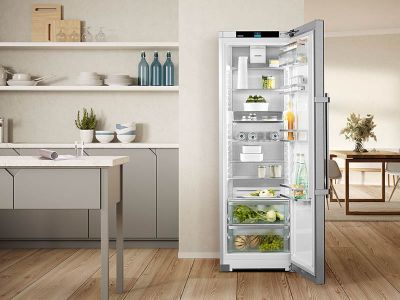
Understand your appliance’s cooling zones
The coldest area is not at the same height in every fridge. Static cooling, air circulation and dedicated freshness compartments can create different temperature patterns. Consult the layout described by the manufacturer.
Use a suitable thermometer to check storage temperature. The selected setting does not prove every compartment is at exactly that temperature at all times.
Position products appropriately
Store raw and prepared foods to prevent cross-contamination. Use suitable closed packaging and prevent raw meat or fish juices reaching other food. Put perishable items in the appropriate zone according to their instructions.
Use vegetable drawers according to the appliance’s features. Fruit and vegetables do not all need identical conditions; packaging and ripeness matter too. Keep air vents clear.
Door storage experiences different conditions through opening. Follow guidance on suitable products rather than placing everything there simply because it fits.
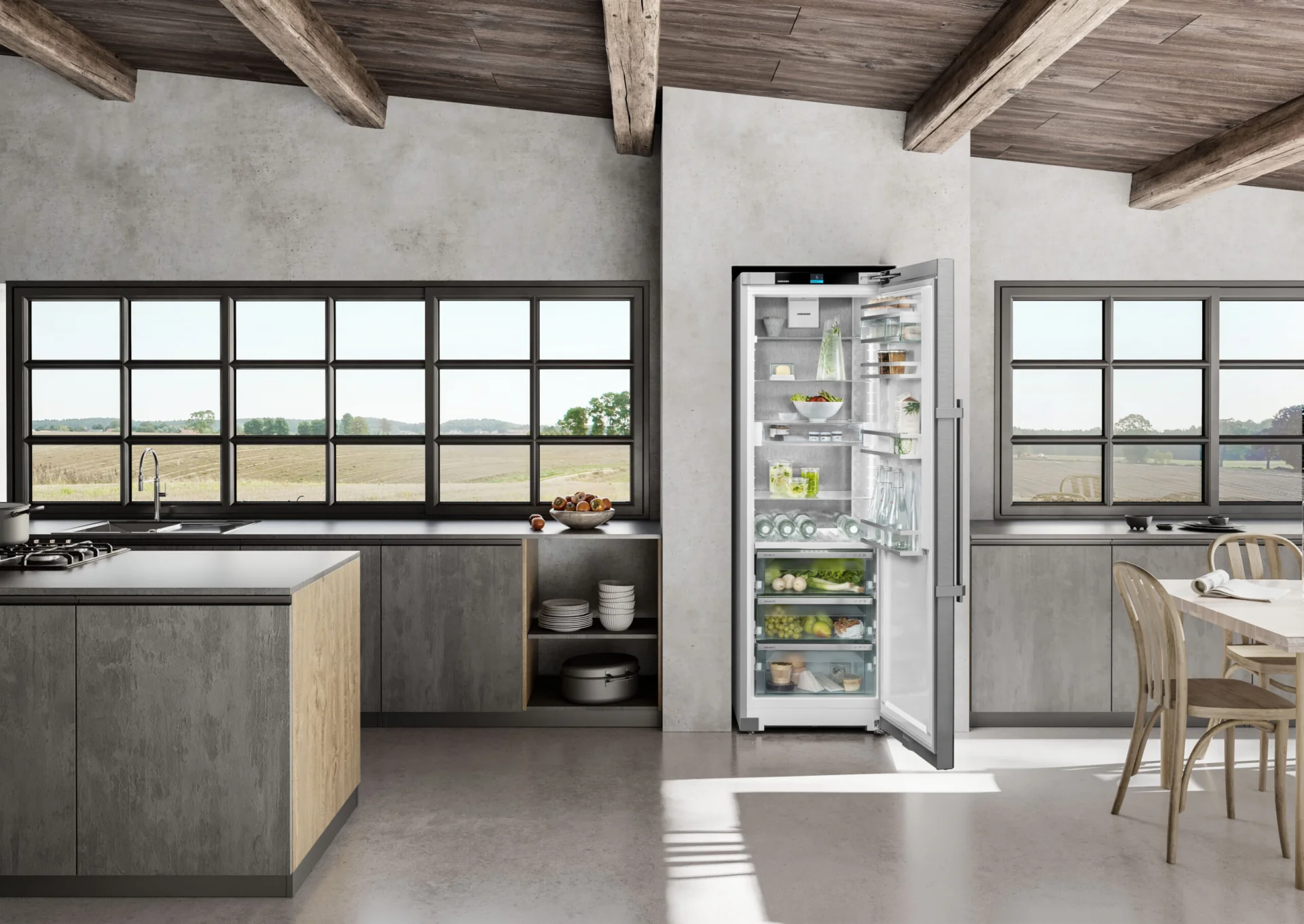
Keep leftovers and supplies visible
Use suitable containers and label contents and dates. Keep products needing use first visible. Follow shelf-life, opening and refrigeration instructions; appearance or smell alone is not a reliable safety check.
Cool cooked food and store leftovers according to food-safety guidance. Refrigeration does not make incorrectly handled food safe again.
What does not automatically need refrigeration?
Not every unopened product needs the fridge. Check packaging and product type. Bread and certain fruit and vegetables may suit other storage, but avoid blanket rules that ignore cutting, ripeness or preparation.
Maintenance and use
- Avoid filling so tightly that airflow is blocked.
- Clean drawers and shelves with approved products.
- Check the seal and avoid unnecessary door opening.
- Follow defrosting and ventilation instructions.
A practical layout makes use easier but does not replace temperature checks and hygiene. For a fridge with suitable storage, Servicadet in Stockel can help you compare available models.
-
Descaling your coffee maker: what should you check?
Limescale can affect a coffee maker’s operation. Regular maintenance matters, but capsule machines and filter coffee makers do not necessarily need the same procedure. Your model’s instructions remain decisive.
Limescale can affect a coffee maker’s operation. Regular maintenance matters, but capsule machines and filter coffee makers do not necessarily need the same procedure. Your model’s instructions remain decisive.

Why descale?
Water contains minerals that can form deposits when heated. These may affect flow and heat transfer. However, an appliance behaving differently does not automatically need only descaling; another fault may be present.
How often is it needed?
Frequency depends on water hardness, use, filtration and instructions. There is no single interval for every household in Woluwe-Saint-Pierre, Woluwe-Saint-Lambert, Kraainem, Tervuren, Wezembeek-Oppem, Watermael-Boitsfort, Auderghem, Uccle or Overijse. Check water information for your address and follow appliance settings or reminders.
1. Choose the right product
Use a descaler approved by the manufacturer for your model. Respect concentration and safety instructions. Vinegar or homemade mixtures are not automatically suitable and may affect certain components.
2. Prepare the machine
Follow instructions for emptying the tank and drip tray and removing capsules or filters. Remove only the parts required by the procedure.
3. Measure the solution
Prepare the specified quantity using an approved product. Use a sufficiently large collecting container and beware of hot liquid. Do not add coffee during descaling.
4. Run the descaling procedure
Follow the machine’s specific process. A normal coffee cycle is not automatically a substitute for a descaling programme. Do not interrupt arbitrarily and continue following the instructions.
5. Rinse thoroughly
Complete the required rinsing steps with clean water. Quantities and the number of steps vary by model. Use the appliance for drinks again only after completing the procedure.
6. Care for removable parts
Clean the tank, filter holder and other parts according to their own instructions. Hot water alone is not the correct method for everything. A water filter does not automatically replace descaling and needs its own timely maintenance.
Unsure about a product or reminder? Contact Servicadet in Stockel with the model number. We can advise on care and our small appliances.
-
Choosing a washing machine: capacity, programmes and brands
The washing-machine range is extensive. Drum capacity, programmes and format help narrow the choice, but should suit your actual laundry habits. This guide provides practical comparison points.
The washing-machine range is extensive. Drum capacity, programmes and format help narrow the choice, but should suit your actual laundry habits. This guide provides practical comparison points.

What capacity do you need?
Capacity is generally expressed in kilograms of dry laundry. Consider how much you collect per wash and which large items you need to clean.
A smaller household does not automatically need a small drum, and a larger machine is not automatically more efficient. Respect the maximum load for each programme, which may be below the appliance’s overall capacity. For duvets, check both fabric and appliance instructions.
Comparing programmes
- Cotton and synthetics: basic programmes with their own load and temperature requirements.
- Eco 40-60: use according to the manufacturer’s specified conditions.
- Delicates or wool: only for items whose care labels permit machine washing.
- Short programmes: often intended for limited loads or light soiling; check conditions.
- Special programmes: steam or hygiene functions vary by appliance and are not a general medical promise.
- Adjustable spinning: choose a permitted speed for the fabric and subsequent drying method.
Additional programmes are most useful when they suit the fabrics you wash regularly.
Brands as a comparison point
At Servicadet, you can discuss brands including Bosch, Siemens, Miele, Whirlpool, AEG and Electrolux. Compare specific models rather than relying solely on general brand reputations. Availability and functions vary by version.
Other important criteria
Check energy and water figures and the duration of the stated programme. Consider noise and installation requirements, particularly in an apartment.
Front-loaders and top-loaders need different clearances. Measure door opening, depth including connections and the delivery route. Consider maintenance and controls too.
At Servicadet in Stockel, we help you compare washing machines for your household and budget. Bring measurements and your current model number if you are looking for a replacement.
-
Choosing a hob for your kitchen in Woluwe
The hob is a central part of your kitchen. The right choice depends on cooking habits, available space, connections and budget. If you are choosing an appliance in Stockel or the surrounding area, consider these points together.
The hob is a central part of your kitchen. The right choice depends on cooking habits, available space, connections and budget. If you are choosing an appliance in Stockel or the surrounding area, consider these points together.
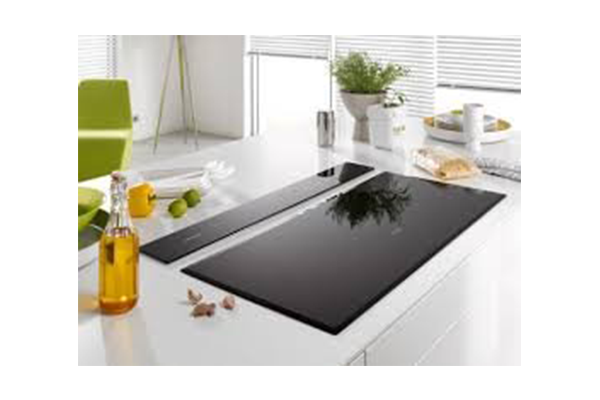
Gas
A gas hob offers visible flames and a direct response to controls. Check the gas supply, installation requirements and ventilation. Burners, supports and cleaning requirements vary. Have the connection handled by an appropriate professional.
Electric ceramic
An electrically heated ceramic hob has a flat glass surface. Heating and cooling differ from induction, and residual heat remains important. Check suitable cookware and cleaners and compare power control.
Induction
Induction heats suitable cookware through an electromagnetic field. The pan still transfers heat to the glass, so the surface does not automatically stay cold. Check cookware suitability, required base dimensions and the electrical connection.
Flex zones and Boost may be useful, but features vary by model.
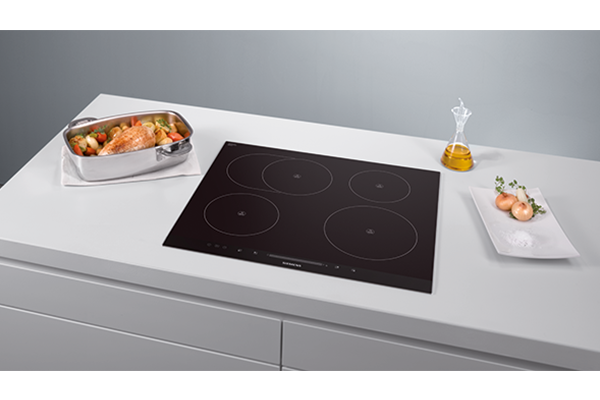
Combinations and special layouts
Want to combine cooking technologies or choose a hob with extraction? Ask which solutions are available. Do not assume a particular combination exists in every brand or fits every opening.
Dimensions and cooking zones
Measure the cut-out and check worktop thickness, ventilation and clearance requirements. External width does not reveal all the usable room for pans. Compare it with the cookware you actually use.
Household size alone does not determine the number of zones needed. Your cooking habits and number of simultaneous dishes matter too.
Features and budget
Timers, pan detection, child locks and temperature sensors depend on the model. Choose features you understand and will use. Include any connection or worktop alterations and installation alongside purchase price.
At Servicadet in Woluwe-Saint-Pierre, we compare hobs according to your measurements, cookware and preferences. Bring photos and details of your existing connection.
-
Cleaning your oven and microwave: the right approach
A clean oven or microwave is more pleasant to use. Yet not every popular cleaning tip suits every appliance. Coatings, seals and cleaning functions differ. Start with the instructions for your model.
A clean oven or microwave is more pleasant to use. Yet not every popular cleaning tip suits every appliance. Coatings, seals and cleaning functions differ. Start with the instructions for your model.
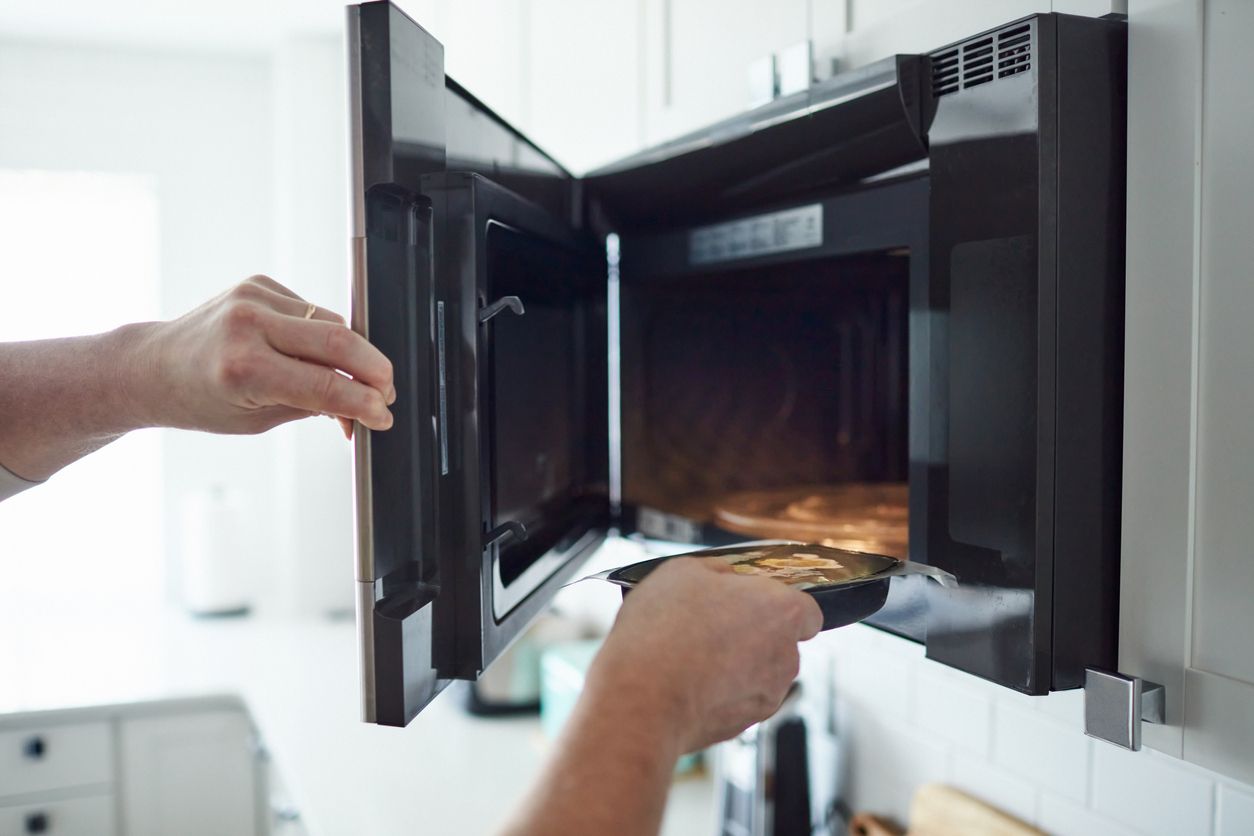
Preparing the oven
Switch off and let the appliance cool as instructed. Remove loose food residues and take out accessories only when safe. Check whether racks and trays may be cleaned by hand or in the dishwasher.
Using suitable products
Choose cleaners and materials approved for the surface. Avoid abrasives on vulnerable coatings and do not spray indiscriminately into vents, electrical parts or seals.
Do not mix cleaning products. Vinegar, lemon and baking soda are not automatically safe for every coating or substitutes for the specified method. Fizzing alone is not proof of better cleaning.
Self-cleaning functions
Does your oven have pyrolysis, catalytic liners or a cleaning programme? Follow its instructions, including accessory, ventilation and cooling requirements. Do not assume a function works identically on another model.
Do not line the oven floor with foil unless specifically permitted; this can conflict with the appliance instructions.
Cleaning the microwave
First let the appliance cool safely and follow switching-off instructions. Wipe accessible internal surfaces with an appropriate soft material. Use any cleaning programme only as directed.
Do not improvise by heating a bowl of liquid at full power for a long time to create steam. Water may superheat and boil suddenly when disturbed. Use only the method specified by the manufacturer and take care with hot liquids.
Turntable and door
Check how the turntable and support may be removed and cleaned. Avoid sudden temperature changes in glass. Keep the door and contact surfaces clean without damaging or adjusting components. A damaged door or closure needs professional assessment before further use.
A maintenance routine
Remove spills when safe, use suitable covers and avoid unnecessary build-up. Follow the appliance instructions rather than one universal weekly schedule.
Servicadet in Stockel can advise on appropriate maintenance products and the use of ovens and microwaves.
-
Built-in or freestanding fridge: which suits your kitchen?
Choosing a new fridge often starts with a question: built-in or freestanding? Customers from Woluwe-Saint-Pierre and neighbouring municipalities regularly ask it. Both can be suitable; space, appearance and installation requirements all affect the choice.
Choosing a new fridge often starts with a question: built-in or freestanding? Customers from Woluwe-Saint-Pierre and neighbouring municipalities regularly ask it. Both can be suitable; space, appearance and installation requirements all affect the choice.

Built-in: a coordinated appearance
A built-in fridge fits into suitable cabinetry and may sit behind a matching furniture door, creating a consistent kitchen appearance.
It does not fit just any cabinet. Check niche height, width, depth, ventilation and furniture-door attachment. An appliance cannot be adapted freely to cabinet dimensions. The door system also matters when replacing an existing fridge.
Installation may involve extra work. Compare modifications and fitting as well as the appliance price.
Freestanding: a variety of formats
Freestanding fridges come in different dimensions, colours and capacities. They remain visible and can create a distinctive feature in the kitchen.
They need more than a socket too. Ventilation clearances, stable positioning, door opening and any waiting period after transport must follow the instructions. Do not enclose a freestanding model in an unventilated niche unless this is permitted.
Comparing available space
Measure the actual location and delivery route. Allow for the door and drawers to open. Compare usable capacity rather than external size alone.
An open-plan kitchen does not automatically require a freestanding fridge, and a fitted kitchen does not rule one out. The specific layout determines the options.
Appearance, use and budget
Do you prefer a continuous furniture front or a visible appliance? How much chilled and frozen storage do you need? Include energy figures, noise and maintenance in the comparison.
Compare total costs: purchase, delivery, installation and possible cabinet alterations. Neither format is automatically cheaper or more practical for everyone.
Personal advice at Servicadet
Bring measurements and photos to Servicadet in Stockel. Together, we compare fridges and freezers and discuss delivery and installation options. You can then choose for your kitchen and your habits.
-
When should you replace your fridge? Signs worth checking
Your fridge works day and night to store food. A change therefore deserves attention, but does not automatically mean you need a new appliance. These signs are worth checking and, where necessary, having assessed.
Your fridge works day and night to store food. A change therefore deserves attention, but does not automatically mean you need a new appliance. These signs are worth checking and, where necessary, having assessed.

Cooling seems inadequate
Check the setting, door closure and ventilation space according to the manual. Assess storage temperature with a suitable thermometer and follow food-storage guidance. Smell or appearance alone does not establish whether food is safe.
If cooling remains inadequate, limit door opening and seek help promptly. Consider the safety of stored food rather than waiting for complete failure.
Unusual noises
Compressors, fans and refrigerant can make normal operating sounds. New, strong vibrations or unusual noises need investigation, but do not immediately identify a faulty part. Check simple placement points in the instructions and seek a diagnosis when unsure.
Unexpectedly high consumption
A higher electricity bill can have several causes. Where possible, compare appliance consumption and inspect settings and the door seal. A new model does not automatically save a fixed percentage: capacity and use need to be comparable.
Moisture or excessive ice
Check that the door closes correctly and is not blocked by drawers or packaging. Defrosting procedures depend on the appliance. Never use sharp objects to remove ice. Recurring condensation or ice may indicate a maintenance or technical issue.
Considering age
Age is one factor alongside condition, parts availability, repair cost and consumption. There is no fixed replacement date for every fridge. Seek advice before replacing an appliance that may still be usable.
Comparing options in time
A timely assessment can help avoid both an unnecessary purchase and a rushed decision. Measure available space and consider the storage capacity your household needs.
At Servicadet in Stockel, we discuss possible next steps and compare fridges and freezers, from compact models to spacious family appliances. Bring your current fridge’s model number.
-
Why choose home appliances at Servicadet in Stockel?
Servicadet welcomes you at Val des Seigneurs 61 in Stockel, Woluwe-Saint-Pierre. In our shop, we compare appliances for your kitchen and laundry room with attention to your habits, available space and budget.
Servicadet welcomes you at Val des Seigneurs 61 in Stockel, Woluwe-Saint-Pierre. In our shop, we compare appliances for your kitchen and laundry room with attention to your habits, available space and budget.

Our brands include Bosch, Siemens, Miele, Liebherr, AEG, Whirlpool, Smeg, Electrolux and Novy. The choice depends on appliance type and availability.
Personal advice
The right appliance starts with useful questions. How much laundry do you do? What space is available? Which features will you actually use? Our team takes time to explain differences and compare suitable models.
Bring measurements and, where helpful, photos of the installation space so we can advise more precisely.
Choosing for your needs
A long feature list does not automatically make a machine the best choice. We consider capacity, ease of use, energy figures and maintenance alongside purchase price. You can then decide what matters to your household.
Ask about the specific terms and availability of your chosen model. We do not make a blanket promise that every appliance is always cheaper than elsewhere.
Discussing delivery and installation
At purchase, we discuss delivery and installation options. Mention stairs, narrow passages or a possible need for a lift in advance. Connections, cabinetry and access must suit the appliance and agreed service.
Support after purchase
Have a question about use or a problem with your appliance? Give our team the model number and a description. We help you explore next steps for after-sales support, warranty or repair. Timescales and parts depend on the individual situation.
Nearby in Woluwe and the surrounding area
Our shop is in Woluwe-Saint-Pierre. We also welcome customers from Woluwe-Saint-Lambert, Kraainem, Tervuren, Wezembeek-Oppem, Watermael-Boitsfort, Auderghem, Uccle and Overijse.
See our delivery and installation options or contact us. At Servicadet, personal advice supports your choice, from the first comparison to questions after purchase.
-
Using a washing machine: six mistakes to avoid
Correct washing-machine use helps care for both the appliance and your clothes. Habits such as overloading or excessive detergent can affect results. These six points provide a practical starting point.
Correct washing-machine use helps care for both the appliance and your clothes. Habits such as overloading or excessive detergent can affect results. These six points provide a practical starting point.
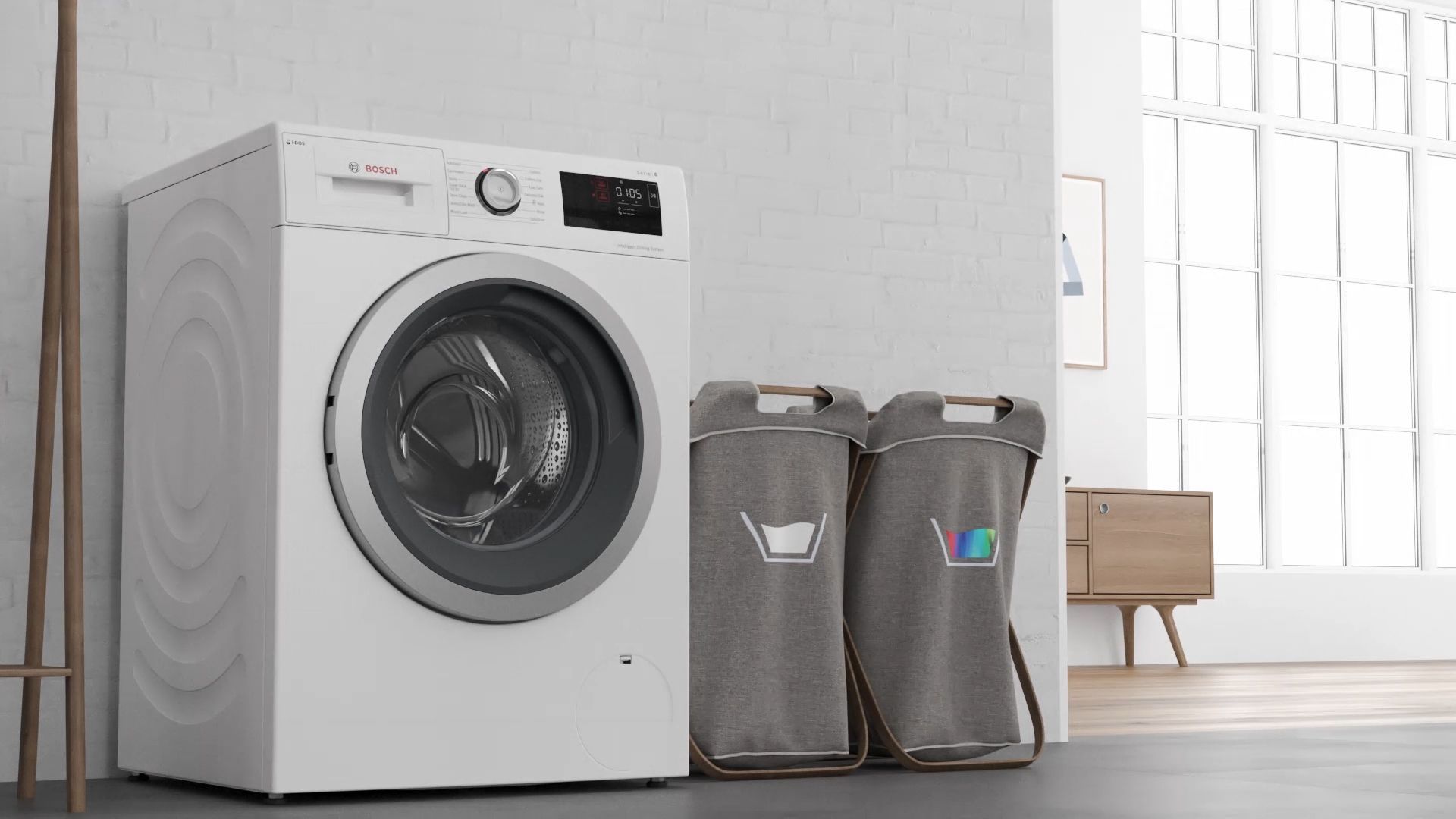
1. Overloading the drum
Laundry cannot move properly in an overfilled drum. Respect the maximum load for the selected programme: the appliance’s overall capacity does not apply to every cycle. A permitted full load can be efficient; repeatedly washing very small loads is not automatically better.
2. Adding too much detergent
More detergent does not mean more cleaning power. Excess can cause foam and residues. Follow the packaging dosage and consider load size, soiling and water hardness. There is no universal one-scoop dose for every situation.
3. Ignoring care labels
Temperature, spinning and drying method must suit the fabric. Sort delicate items and check care symbols. A wool programme is suitable only if the garment’s label permits machine washing.
4. Forgetting maintenance
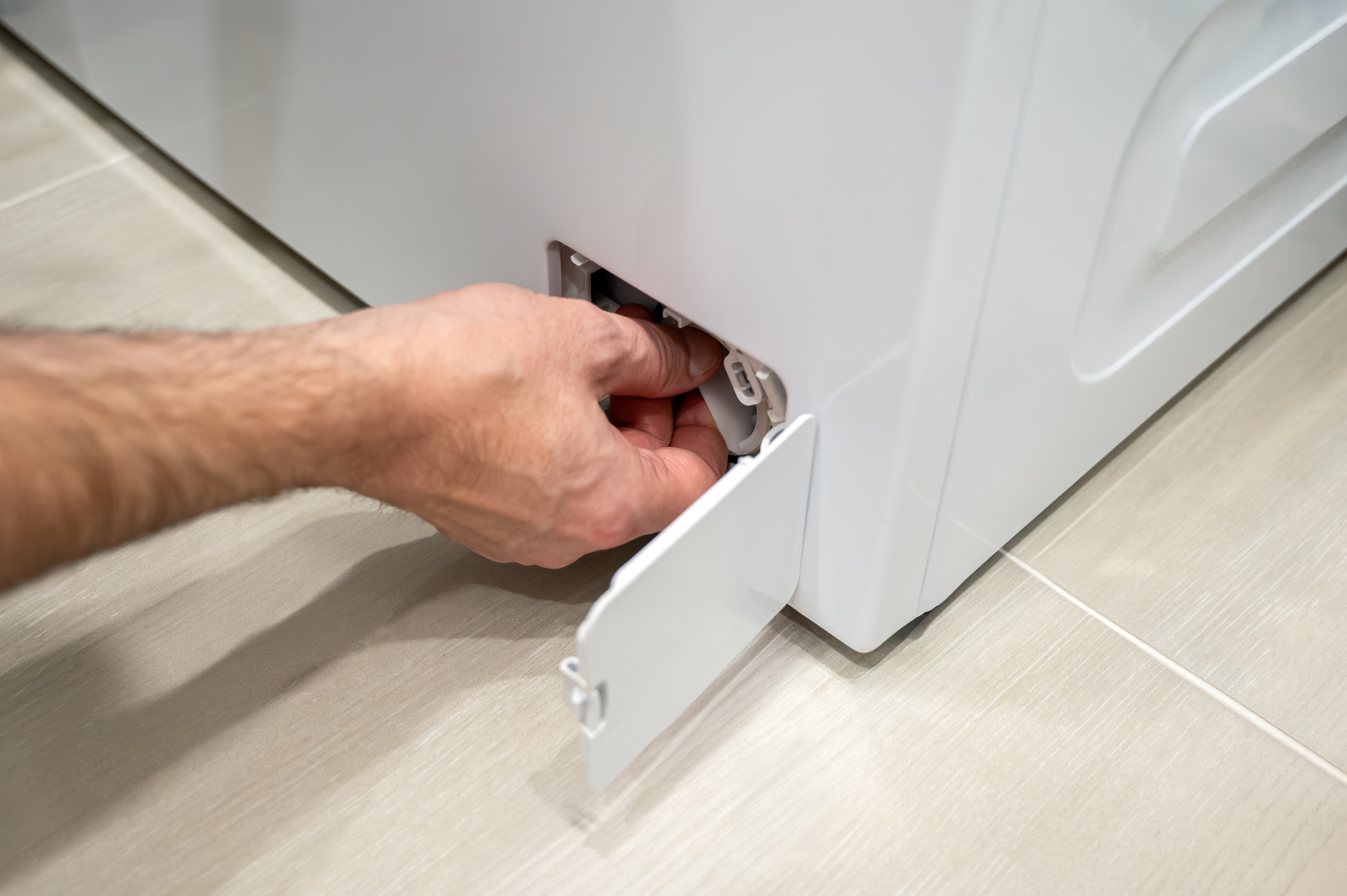
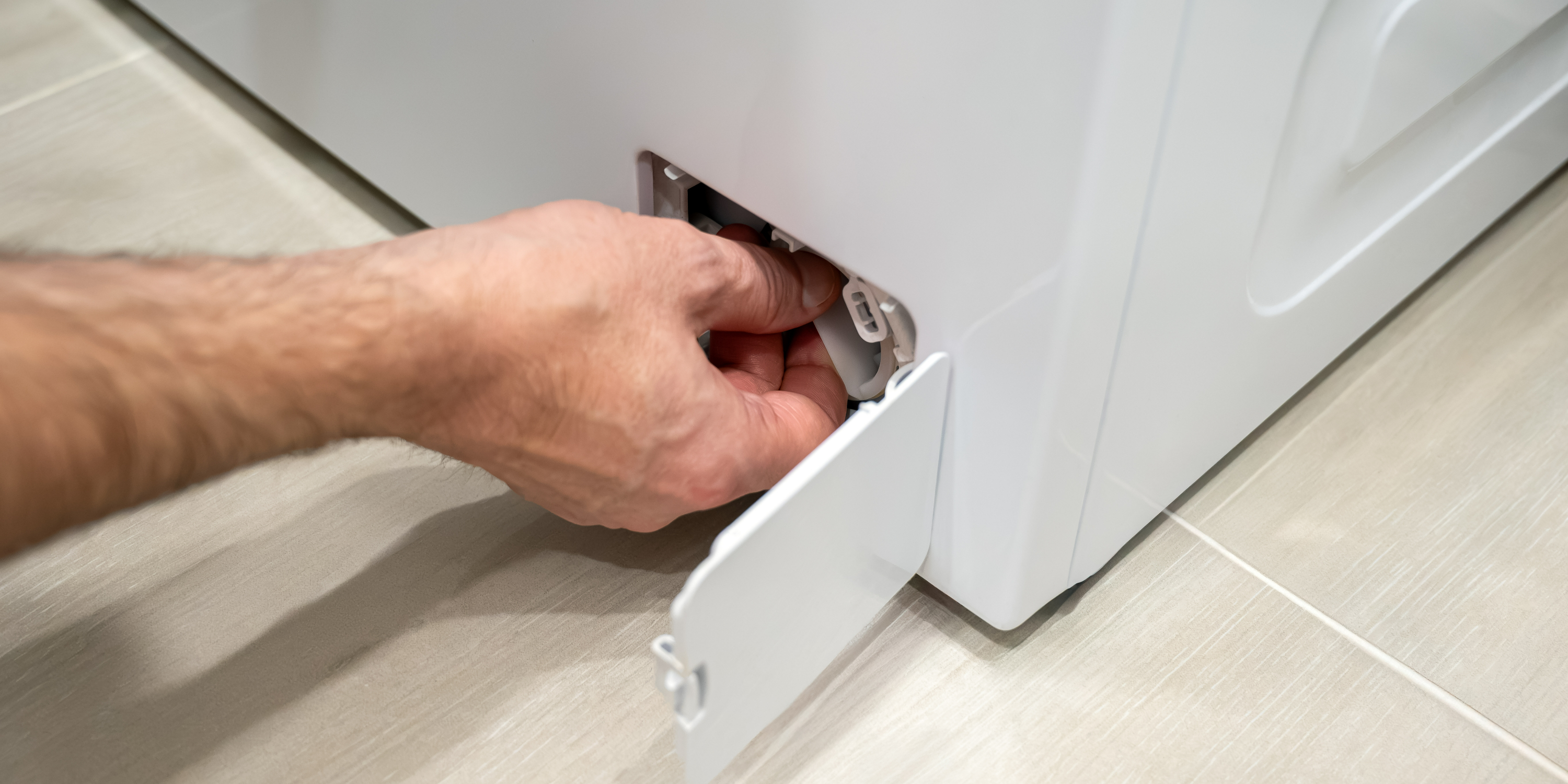
Clean the detergent drawer, door seal and accessible filters according to the manual. Washing machines do not all have the same filter system. Before opening a filter, follow instructions for switching off, cooling and any draining required. Check whether a maintenance programme is specified.
5. Leaving objects in pockets
Coins, keys and other objects can damage textiles or the appliance. Check pockets, close zips and use a laundry bag where appropriate. Follow specific instructions for clothing with metal parts or special finishes.
6. Ignoring hoses and connections
Look for leaks, visible wear and kinked hoses. Installation must meet water-supply and drainage requirements. If there is a leak or unsafe condition, stop using the appliance and follow its safety instructions; have repairs assessed by a suitable professional.
A routine suited to your machine
Read the manual, dose carefully and choose a programme suited to the fabric. At Servicadet in Stockel, we help with questions about using and choosing washing machines.
-
Common mistakes to avoid when caring for home appliances
Home appliances are important purchases. Correct use and maintenance help preserve their operation and can limit avoidable problems. Pay attention to these common mistakes, while treating your appliance’s own instructions as the starting point.
Home appliances are important purchases. Correct use and maintenance help preserve their operation and can limit avoidable problems. Pay attention to these common mistakes, while treating your appliance’s own instructions as the starting point.
1. Delaying routine maintenance
Dirt, grease and limescale can build up. Clean dishwasher, cooker hood and vacuum filters as instructed. Descale coffee makers and kettles with an approved product. Clean hobs and ovens only when safe and with suitable products.
2. Overloading the appliance
A full drum is not the same as an excessive load. Respect the capacity for the selected washing programme and leave room for movement. Load dishwashers so spray arms turn freely and water can reach the dishes.
3. Ignoring wear or unusual behaviour
A damaged seal, unusual vibration, error code or reduced performance needs attention. Have the issue assessed before it worsens. Stop using an appliance if you suspect an unsafe condition and follow the safety instructions.
4. Using unsuitable cleaning products
Aggressive products and abrasive materials can damage surfaces and components. Use suitable cleaners at the recommended dose. Do not mix cleaning products or use a descaler on an appliance for which it is not approved.
5. Overlooking installation requirements
Appliances need correct connections, stable placement and sufficient ventilation. Check dimensions, electrical supply, water connections and drainage. Leave work requiring specialist knowledge to an appropriate professional.
6. Handling the power supply incorrectly
Follow instructions for switching off or unplugging small appliances. Do not pull the cable or use a damaged plug. Not every appliance should be switched off after use: fridges and freezers must keep running during normal operation. Do not connect high-power appliances through an unsuitable extension block.
7. Forgetting settings and updates
Check relevant settings, such as fridge temperature. For connected appliances, install updates as directed and consider the conditions for online functions.
8. Storing appliances incorrectly
Store small appliances clean and dry. Let parts dry before putting them away and protect cables from kinking or damage. Consult specific instructions for long-term storage.
9. Skipping the manual
Read safety guidance, programmes and maintenance requirements before first use. Keep the model number so you can find the correct instructions and parts.
Care starts with appropriate use
No maintenance routine prevents every fault, but correct care can help limit unnecessary wear. Have a question or need a part? Contact Servicadet in Stockel for advice on the next steps.
-
Cooker hood filters: which solution suits your kitchen?
A cooker hood helps extract or filter cooking vapour, grease and smells. Different filters perform different jobs. Understanding the distinction between ducted extraction and recirculation is particularly important when choosing an appliance.
A cooker hood helps extract or filter cooking vapour, grease and smells. Different filters perform different jobs. Understanding the distinction between ducted extraction and recirculation is particularly important when choosing an appliance.
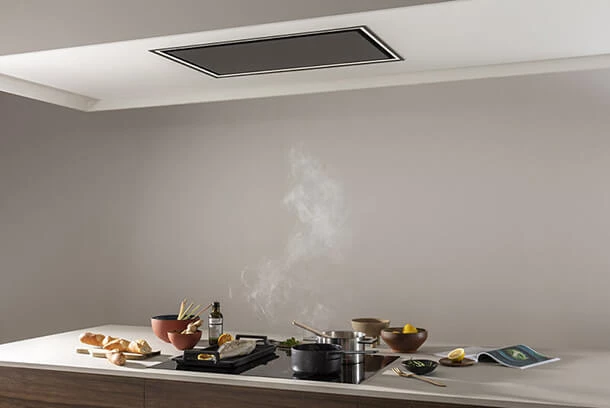
Activated carbon filters for odours
In many recirculating hoods, activated carbon helps absorb odour compounds before air returns to the kitchen. The hood also needs a grease filter.
Benefits: a suitable option where direct outdoor extraction is not possible; filtering can help reduce cooking smells.
Points to consider: a carbon filter does not replace the grease filter, and recirculation does not remove cooking moisture outdoors. Replacement or regeneration depends on filter type and use. Follow the manufacturer’s instructions rather than applying one fixed interval to every model.
Metal grease filters
Aluminium or stainless-steel grease filters trap grease particles. They are used in ducted hoods and in many recirculating systems.
Benefits: they protect the appliance interior from grease deposits and are often reusable after cleaning according to the instructions.
Points to consider: a grease filter is not a complete odour filter. Check whether dishwasher cleaning is permitted and which products are suitable.
Aluminium mesh filters
A multilayer aluminium mesh filter is one form of metal grease filter, not a separate alternative to every other filter type. Its layers help trap grease particles in the airflow.
The filter needs correct fitting and timely cleaning. A dirty filter can affect operation. Avoid cleaning methods the manufacturer advises against.
Combined filtration
In recirculation systems, grease and odour filters often work together. They perform different roles and do not necessarily need the same maintenance.
- Check which filters are included with the appliance.
- Ask about replacement filters or regeneration options.
- Consider ongoing costs and access for maintenance.
- Check the kitchen ventilation requirements.
A combination does not automatically make maintenance simpler or mean that one filter captures everything.
Which solution should you choose?
First establish whether ducted extraction is possible and permitted. Ducting, available space and ventilation provisions affect the choice. With recirculation, understand what the system does and does not remove.
At Servicadet in Woluwe-Saint-Pierre, we help you compare cooker hoods and filters. Bring details of your kitchen and any existing ducting for tailored advice.
-
Whirlpool 6TH SENSE explained: sensors for everyday convenience
When choosing a home appliance, you want performance, ease of use and suitable consumption. Whirlpool uses the name 6TH SENSE for features available on different appliances. Their exact operation depends on the model and programme.
When choosing a home appliance, you want performance, ease of use and suitable consumption. Whirlpool uses the name 6TH SENSE for features available on different appliances. Their exact operation depends on the model and programme.
What is 6TH SENSE?
The principle is to use sensors and automatic controls to adapt operation to conditions. Depending on the appliance, this may involve the load, moisture, soiling or temperature. Not every 6TH SENSE appliance adjusts the same parameters.
Automatic assistance takes over some settings, but you still need to load the appliance correctly and select a suitable programme.
Washing machines and tumble dryers
- Washing machines: on suitable models, sensors help adapt the cycle to the load. The precise control of water and time varies by appliance.
- Tumble dryers: moisture sensing can help adapt drying to the selected dryness level and limit unnecessary over-drying.
Compare the figures for the specific model. Savings are not a fixed percentage across all appliances or uses.
Dishwashers
Sensors may measure water soiling and adapt an automatic programme accordingly. Lightly soiled dishes need different treatment from pans with baked-on food, but the cycle is not necessarily shorter.
Choose a programme according to the instructions and load baskets so that water can reach the dishes. Compare consumption for the programme you actually use.
Ovens
Some ovens offer automatic programmes for selected dishes. You choose the food type and enter the requested information; the oven assists with settings.
Available dishes and functions vary by model. Follow the instructions and check results, particularly when making a recipe for the first time.
Fridges
Temperature sensors can help adapt cooling after a change, such as opening the door. Correct use still matters: follow food-storage advice when cooling cooked food, keep ventilation clear and avoid unnecessary door opening.
A brand feature alone does not determine how long food keeps. The product, packaging, temperature and hygiene remain important.
Choosing Whirlpool at Servicadet
At Servicadet in Woluwe-Saint-Pierre, we help you compare:
- the features of the chosen model;
- capacity and dimensions;
- stated consumption figures;
- maintenance, installation and everyday use.
Explore our Whirlpool page and ask which version suits your household.
-
Choosing the right drying programme to care for your clothes
Washing often receives more attention than drying when we care for clothes. Yet the drying programme also affects their shape, appearance and lifespan. For households in Woluwe-Saint-Pierre, Woluwe-Saint-Lambert and Kraainem, outdoor drying is not always practical. A suitable…
Washing often receives more attention than drying when we care for clothes. Yet the drying programme also affects their shape, appearance and lifespan. For households in Woluwe-Saint-Pierre, Woluwe-Saint-Lambert and Kraainem, outdoor drying is not always practical. A suitable tumble dryer and the right setting can help.
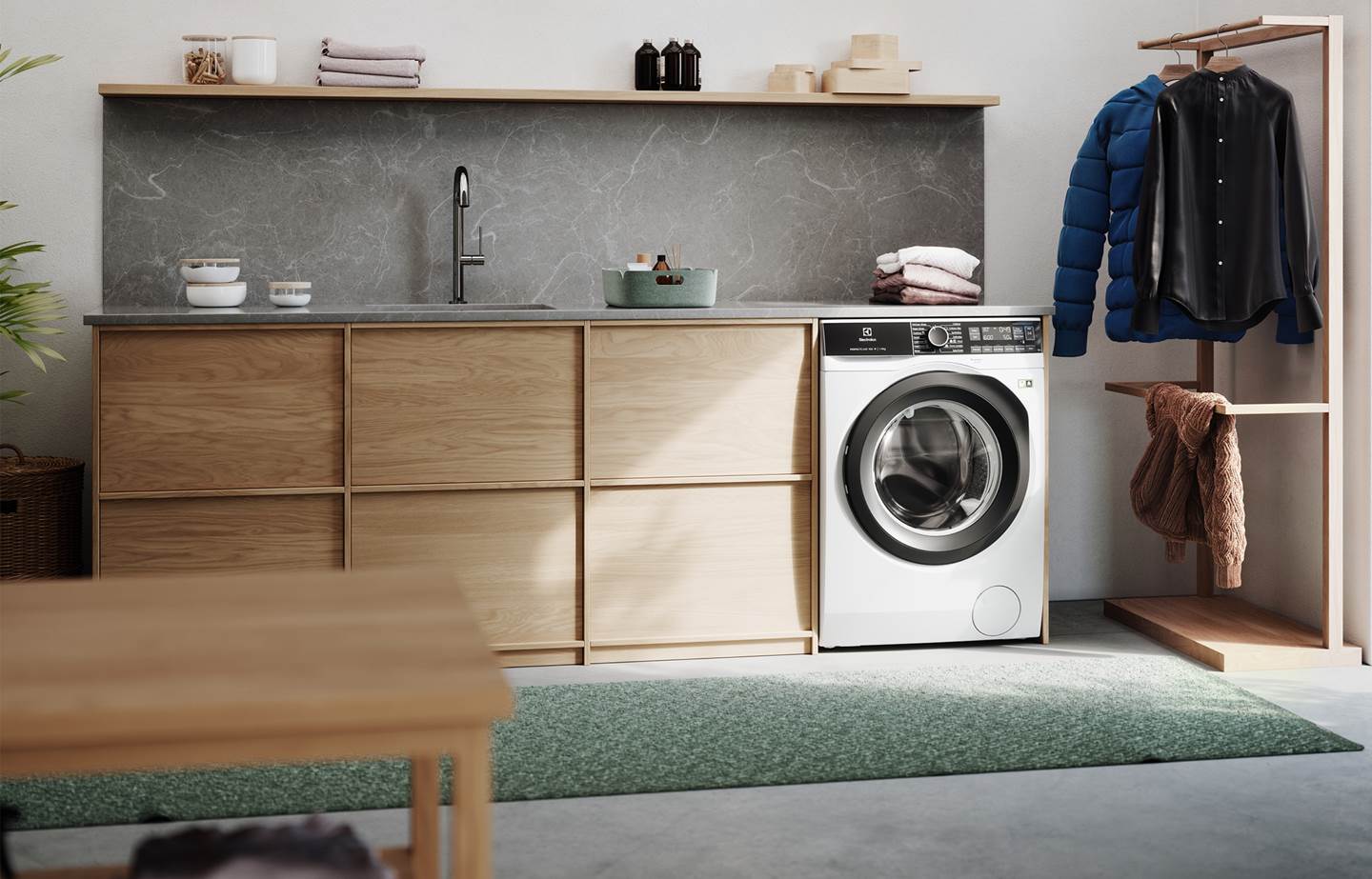
Understanding drying programmes
Modern tumble dryers offer programmes for different fabrics. Names and conditions vary between appliances.
- Cotton and robust textiles: choose the appropriate programme for towels and bedding if their care labels allow tumble drying. More heat is not always better.
- Gentle drying: a lower temperature may suit certain sensitive fabrics. It does not make an item that must not be tumble dried suitable for the machine.
- Specialist programmes: sportswear, synthetics or wool may have dedicated cycles. Use them only for items permitted by both the care label and appliance instructions.
Why the right choice matters
Protecting fibres
Excessive heat or drying time can damage textiles. Sort by fabric and thickness as well as colour. A light blouse needs different treatment from a thick towel.
Helping limit shrinkage
Cotton can shrink too. Respect care symbols and avoid a higher dryness level than necessary. A programme cannot compensate for putting unsuitable fabric in the dryer.
Avoiding unnecessary drying
An appropriate programme and moisture sensing can help adapt the cycle to the desired result. Actual energy use depends on the machine, load, programme and remaining moisture in the laundry.
Practical examples
- Wool jumpers: first check whether tumble drying is permitted. Use a suitable wool programme only if the garment and appliance instructions allow it; otherwise follow the prescribed drying method.
- Sportswear: technical fabrics can be heat-sensitive. Follow the care label and compare synthetic or sportswear programmes.
- Towels and sheets: use a suitable cotton programme and respect its maximum load. Avoid excessive drying; a tumble-dryer programme is not automatically a disinfection cycle.
Choosing a dryer for your laundry
Check the programmes and permitted load for each one. The machine’s maximum capacity does not necessarily apply to every fabric. Clean filters as instructed and remove clothes after the cycle.
At Servicadet in Stockel, we help you compare washing machines and tumble dryers and choose an appliance suited to your fabrics and household.
-
Connected home appliances: benefits and precautions
Connected home appliances can make everyday tasks easier. Depending on the model, an app may let you check information about your fridge, washing machine or oven and control certain functions remotely. Convenience is only part of the picture:…
Connected home appliances can make everyday tasks easier. Depending on the model, an app may let you check information about your fridge, washing machine or oven and control certain functions remotely. Convenience is only part of the picture: compatibility, privacy and software support matter too.

The benefits of connected home appliances
1. Everyday convenience
Notifications when laundry is ready, preparing a programme or checking an appliance’s status are examples of functions that may be available. Voice-assistant control depends on the appliance, service and settings. Features are not identical across all models.
2. Understanding consumption
Some apps display consumption information or help you choose programmes. Sensors on suitable appliances can adapt operation to the load. Connectivity alone does not make an appliance more efficient: compare product figures and consider how you use it.
3. Following maintenance needs
Maintenance reminders and error codes can help you act promptly. Remote diagnostics and software updates may be available on certain models. A notification is not a substitute for professional assessment of a fault.
4. Personal settings
Favourite programmes and saved preferences can simplify recurring tasks. Check which settings the appliance can remember and which actions still need to be performed in person.
5. Appliance alerts
Some models warn about an open door, water leak or other irregularity. These are useful aids, not a guarantee that every incident will be detected. Always follow installation and safety instructions.
Risks and precautions
1. Secure your network and accounts
Internet-connected equipment needs attention to digital security.
- Use strong, unique passwords and change default passwords where possible.
- Install updates following the manufacturer’s instructions.
- Secure your Wi-Fi and consider a separate network for connected appliances if your router supports it.
2. Review privacy settings
Check which data the manufacturer collects and which permissions you grant the app. Read the terms, limit unnecessary permissions and disable optional tracking you do not need.
3. Consider connectivity and compatibility
Some online features become unavailable during an internet outage. Ask which basic functions remain usable offline. Check compatibility with your phone and any voice assistant, and ask about the duration of software support.
4. Weigh the extra cost against usefulness
A connected model may cost more. Decide whether its features genuinely suit your habits rather than assuming they will automatically save money.
Visit Servicadet in Stockel, Woluwe-Saint-Pierre for personal advice. Together, we can identify the connected features that are useful for your household.
-
Getting your kitchen ready for summer: a practical checklist
Summer meals often call for fresh recipes and a practical kitchen. You do not need to replace every appliance. Use this checklist to see what already works well and what you might be missing.
Summer meals often call for fresh recipes and a practical kitchen. You do not need to replace every appliance. Use this checklist to see what already works well and what you might be missing.

1. Check the fridge and freezer
Check temperature settings, seals and ventilation according to the instructions. Plan sufficient space for fresh food, ice or frozen fruit without overloading. An ice maker or fast-freeze function may be available on certain models, with its own conditions of use.
Explore our fridges and freezers if you need additional or different storage.
2. An ice-cream maker for your recipes
Making ice cream or sorbet can be an enjoyable addition. Check whether a bowl needs freezing in advance and how much space that requires. Choose capacity and ease of cleaning according to your habits. Ask about offered models and availability.
3. A blender or mixer
A suitable blender or mixer is useful for smoothies, gazpacho and cold soups. Not every appliance can process ice cubes or frozen fruit. Check instructions, maximum capacity and any restrictions on hot ingredients.
Try recipes such as watermelon with mint, a banana drink or gazpacho.
4. A table grill or electric barbecue
A suitable electric grill can cook vegetables, fish or meat, but is not automatically smoke-free. Use indoor or outdoor models only in approved locations. For a balcony, also check local and building rules, surfaces and electrical connections.
5. Cooker hood and ventilation
A correctly used cooker hood helps manage cooking vapours and smells. It does not replace air conditioning, and recirculation does not remove cooking moisture outdoors. Clean filters as instructed and provide suitable ventilation.
6. Useful accessories
A citrus press, ice moulds or suitable storage containers may help. A filter jug does not remove the need to follow replacement and hygiene instructions. A fan can move air but does not replace safe food storage.
Start with your actual needs
List what you use and measure available space. Contact Servicadet in Stockel for advice on our small appliances and availability. Prepare your kitchen without unnecessary purchases.
-
Five tips for organising home appliances in your kitchen
An organised kitchen makes preparation, cooking and tidying easier. Whether space is limited or generous, a considered place for each appliance helps. Use these five tips with installation and safety instructions as the starting point.
An organised kitchen makes preparation, cooking and tidying easier. Whether space is limited or generous, a considered place for each appliance helps. Use these five tips with installation and safety instructions as the starting point.
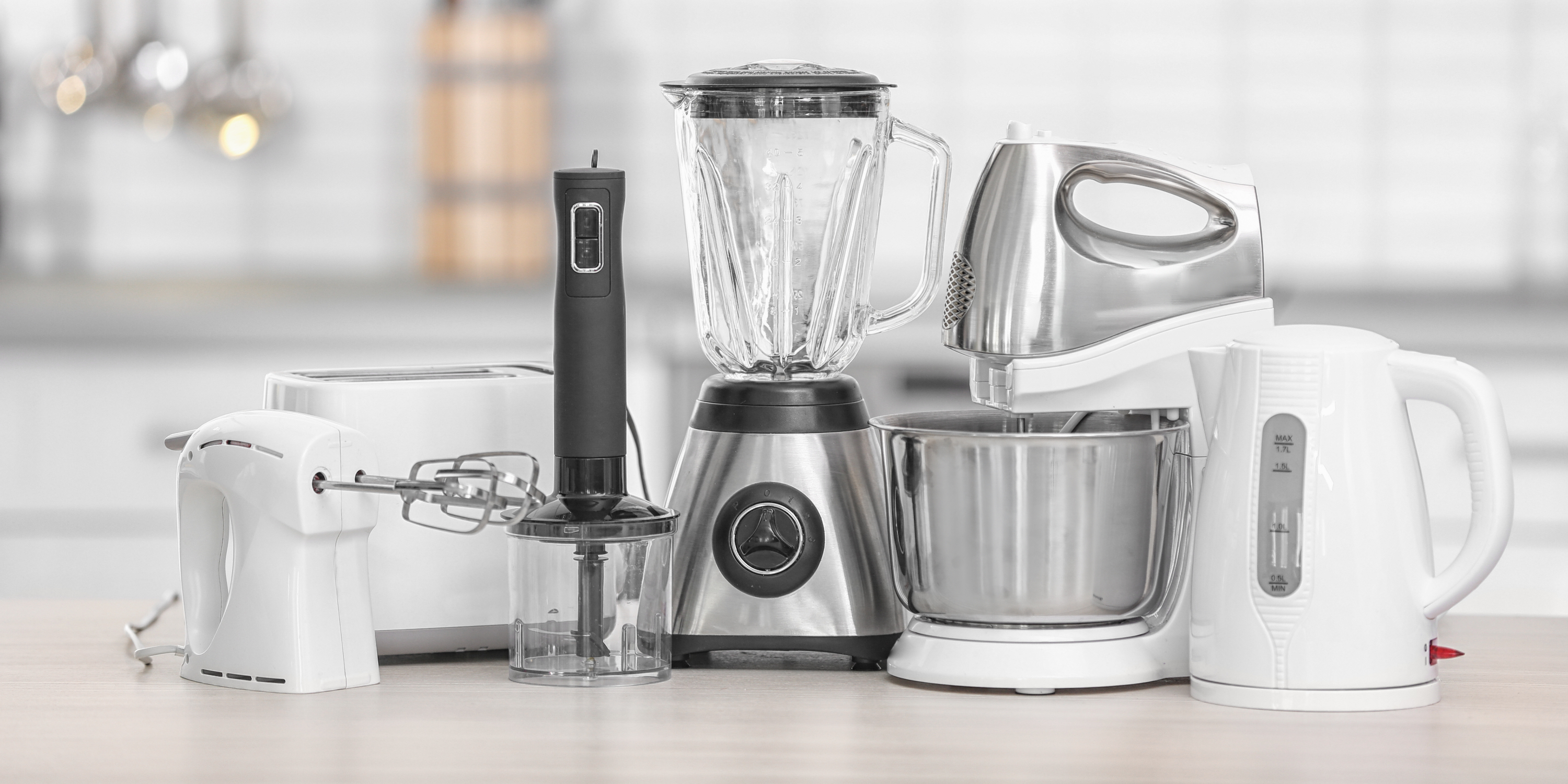
1. Plan practical zones
Think about preparation, cooking and washing up. A dishwasher near the sink can simplify loading; a microwave near a suitable landing surface may be convenient. Exact placement still depends on connections, ventilation and permitted installation.
Keep frequently used small appliances accessible and store less-used equipment safely. Avoid placing heavy or hot appliances on unsuitable high shelves.
2. Choose appropriate storage
Adjustable shelves, organised drawers and accessory boxes help use space effectively. Check the load capacity of shelves and pull-out platforms. Protect blades and sharp accessories and keep them out of children’s reach.
A mobile trolley can provide storage, but is suitable for operating an appliance only if stability, heat resistance and ventilation meet its instructions.
3. Organise cables
Use built-in cable storage where permitted. Keep leads away from hot surfaces and worktop edges. Do not operate appliances with cables tightly coiled in an unsuitable way.
Avoid overloading extension blocks. Have additional fixed connections assessed by an appropriate professional rather than plugging several high-power appliances together indiscriminately.
4. Limit worktop clutter
Consider which functions you really use. A suitable kitchen machine can combine tasks, but accessories need space too. Measure more than the footprint: allow for lids, tanks, drawers and ventilation.
Being stored in a cupboard does not mean an appliance can safely operate there. Use kettles, toasters and airfryers only in permitted locations.
5. Include maintenance in your plan
Organise suitable cleaning products and consumables and keep filters and components accessible. Follow specified maintenance intervals rather than applying one schedule to everything.
Inspect visible cables and do not use a damaged appliance before it has been assessed.
Comparing small appliances or fitting a new machine into your kitchen? Servicadet in Stockel can help you make a practical choice.
-
Saving electricity with your home appliances
Home-appliance electricity consumption depends on both the equipment and your habits. Before replacing an appliance, it is worth checking settings, maintenance and use. These points help you compare more thoughtfully.
Home-appliance electricity consumption depends on both the equipment and your habits. Before replacing an appliance, it is worth checking settings, maintenance and use. These points help you compare more thoughtfully.

Read energy labels and product figures
Compare within the same category and consider capacity and kWh, not just the rating. Measurement bases differ between product groups, such as annual consumption or consumption per number of cycles.
A favourable class does not automatically guarantee a lower bill than your current situation. An estimate also needs your usage and electricity price.
Choose a suitable programme
Washing machines and dryers, dishwashers and ovens offer different settings. A short programme is not necessarily the most economical. Consult the manual’s programme information and use an eco setting when appropriate for the load or cooking.
Improve everyday habits
- Load washing machines according to the selected programme’s capacity without overfilling.
- Load dishwashers properly and keep spray arms clear.
- Switch off small appliances as instructed; fridges and freezers must stay on during normal use.
- Keep ventilation openings clear and check door seals.
- Defrost only as specified for the particular appliance.
Set storage temperatures according to manufacturer and food-storage advice. Do not save energy by keeping perishable food too warm.
Assess recent and connected appliances
Sensors or features such as Whirlpool 6TH SENSE may assist operation depending on the model. Wi-Fi is not evidence of low consumption. Compare specific figures and features you will actually use.
Making the right investment
A working appliance does not always need replacement. Consider repair and replacement according to condition, consumption and cost. At Servicadet in Stockel, we help you compare suitable models and running costs, combining convenience with an informed choice.
-
Dishwasher or washing up by hand: which uses less?
Using a dishwasher or washing up by hand: which has less environmental impact? Households in Watermael-Boitsfort and Uccle also look for ways to save water and energy. The answer depends on habits as well as the appliance.
Using a dishwasher or washing up by hand: which has less environmental impact? Households in Watermael-Boitsfort and Uccle also look for ways to save water and energy. The answer depends on habits as well as the appliance.
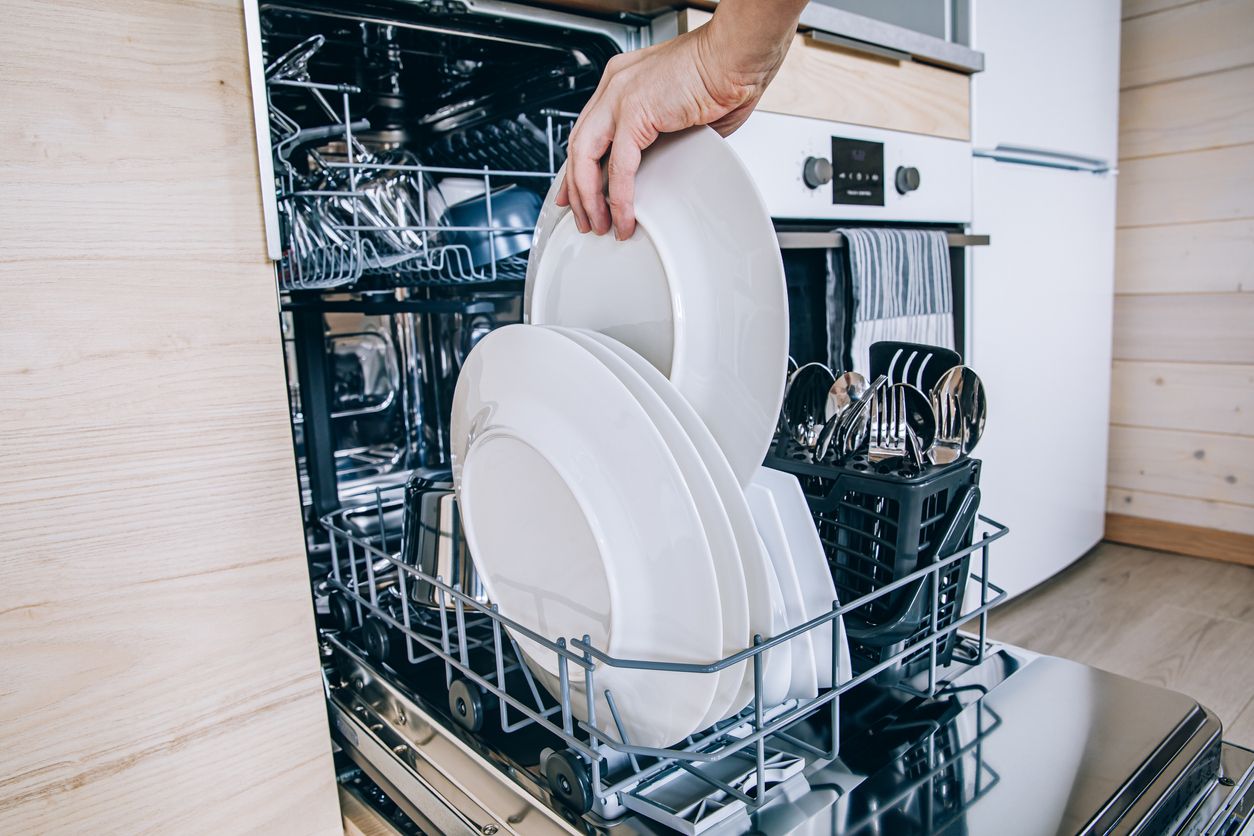
Comparing water use
An efficiently used dishwasher can need less water than washing up under a continuously running tap. A fair comparison requires the same amount of washing-up and a clearly defined method.
For a dishwasher, check the litres per eco cycle on the energy label. With hand washing, the amount of water in the bowl and the rinsing method make a substantial difference. One general figure cannot describe every household.
Energy for heating water
Both methods require energy to heat water. For hand washing, this depends on your hot-water system, temperature and the amount used.
For dishwashers, the European label gives energy per 100 eco cycles and a rating from A to G. Compare these figures alongside capacity and consider the programmes you actually use.
A short programme is not automatically the most economical. Consult the programme information in the manual.
Detergents and packaging
Detergent dosage, composition and packaging also matter. It is not correct to assume that every dishwasher detergent is environmentally preferable to every washing-up liquid, or that a filter removes dissolved cleaning products from wastewater.
Use an appropriate product at the recommended dose. More detergent does not automatically improve results.
Practical dishwasher tips
- Fill the machine properly without blocking spray arms or stacking dishes together.
- Choose the eco programme for suitable, normally soiled dishes.
- Remove food scraps and avoid unnecessary pre-rinsing under running water, following the appliance instructions.
- Maintain filters and spray arms as directed.
Using less water when washing by hand
Use a filled sink or washing-up bowl rather than leaving the tap running. Measure detergent carefully and organise rinsing to limit wasted water. Hand washing can be practical for a few items; do not wait for a full machine if this would mean unhygienic storage.
Which choice suits you?
An efficient dishwasher used appropriately can be a good option. Household size, available space, washing-up volume and habits remain important. At Servicadet in Stockel, we help you compare dishwashers by capacity and consumption without promising universal savings.
-
45 cm or 60 cm dishwasher: which suits your apartment?
A compact 45 cm dishwasher or a standard 60 cm model? Compare layout, noise and consumption to find the right fit for your kitchen.
In an apartment, every centimetre counts, and appliance noise can matter too. Should you choose a 45 cm dishwasher or a standard 60 cm model? These points will help you find a size that suits your kitchen and your habits.
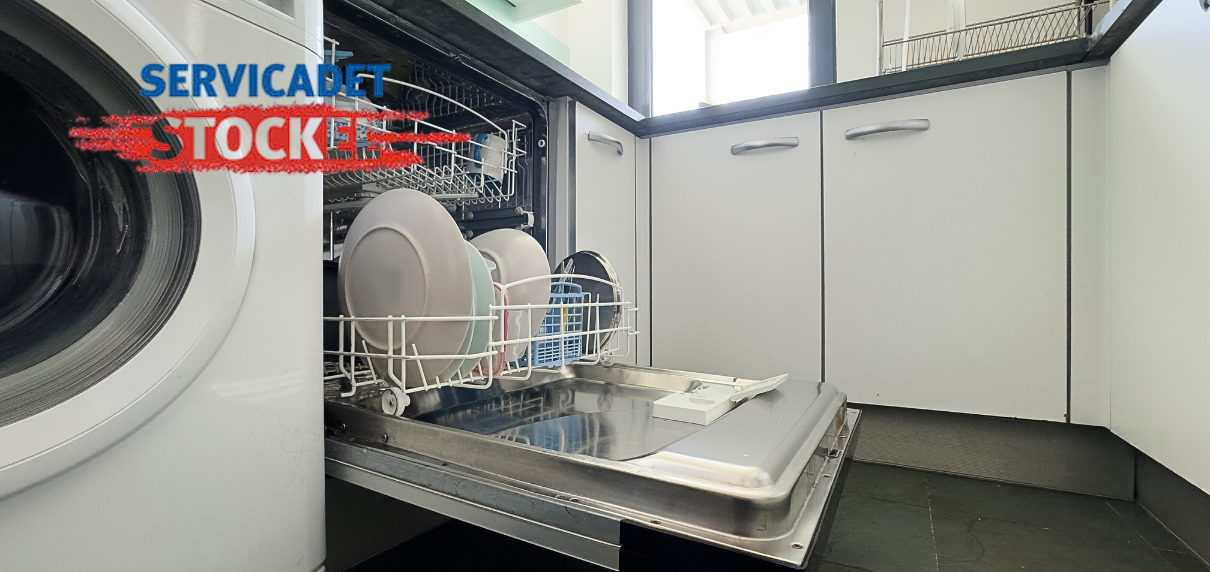
Capacity and adjustable baskets
A 60 cm dishwasher generally offers more loading space. This can be useful if you cook frequently or use large plates and pans. Always check the capacity and layout of the specific model.
A 45 cm model is nominally 15 cm narrower, making it worth considering for compact kitchens. Measure the height, depth and clearance needed to open the door too.
Practical tip: look at the baskets. Adjustable baskets, glass supports and a cutlery drawer can make everyday use easier. Consider the items you wash most often.
Noise and vibration
For an open-plan kitchen or evening use, pay particular attention to noise.
- Compare the decibel rating and noise class on the energy label.
- Check the duration of the programmes you plan to use.
- Correct installation and properly adjusted feet help limit vibration.
This lets you choose according to comfort in your living space as well as size.
Energy consumption: compare the right figures
Consumption depends on the appliance, programme and frequency of use, among other factors. The European energy label for dishwashers runs from A to G. It includes energy consumption per 100 eco cycles and water consumption per eco cycle.
Compare these figures alongside capacity. A smaller machine does not automatically use less for the same total amount of washing-up. Choose an appropriate programme and follow the loading instructions.
If your electricity contract has different tariffs, take your own contract and the appliance instructions into account when choosing a start time.
Personal advice in store
Bring your kitchen measurements to Servicadet in Stockel, Woluwe-Saint-Pierre. Together, we can check the available space and compare layouts, features and connection requirements.
Explore our dishwashers or contact our team for advice.