Author: admin3840

  • Choosing the right drying programme to care for your clothes

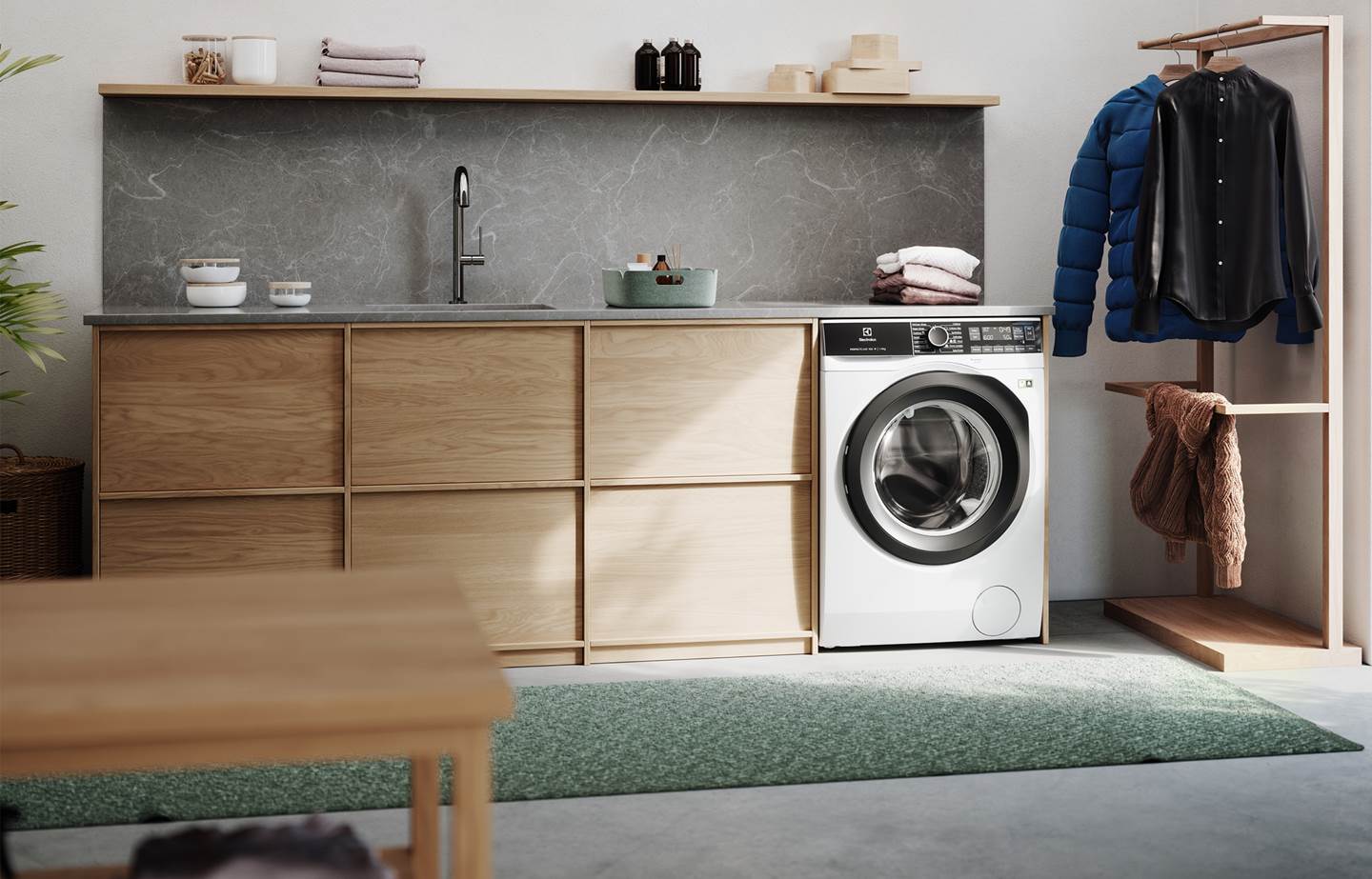
    Washing often receives more attention than drying when we care for clothes. Yet the drying programme also affects their shape, appearance and lifespan. For households in Woluwe-Saint-Pierre, Woluwe-Saint-Lambert and Kraainem, outdoor drying is not always practical. A suitable tumble dryer and the right setting can help.
    Understanding drying programmes

    Modern tumble dryers offer programmes for different fabrics. Names and conditions vary between appliances.

    • Cotton and robust textiles: choose the appropriate programme for towels and bedding if their care labels allow tumble drying. More heat is not always better.
    • Gentle drying: a lower temperature may suit certain sensitive fabrics. It does not make an item that must not be tumble dried suitable for the machine.
    • Specialist programmes: sportswear, synthetics or wool may have dedicated cycles. Use them only for items permitted by both the care label and appliance instructions.

    Why the right choice matters

    Protecting fibres

    Excessive heat or drying time can damage textiles. Sort by fabric and thickness as well as colour. A light blouse needs different treatment from a thick towel.

    Helping limit shrinkage

    Cotton can shrink too. Respect care symbols and avoid a higher dryness level than necessary. A programme cannot compensate for putting unsuitable fabric in the dryer.

    Avoiding unnecessary drying

    An appropriate programme and moisture sensing can help adapt the cycle to the desired result. Actual energy use depends on the machine, load, programme and remaining moisture in the laundry.

    Practical examples

    • Wool jumpers: first check whether tumble drying is permitted. Use a suitable wool programme only if the garment and appliance instructions allow it; otherwise follow the prescribed drying method.
    • Sportswear: technical fabrics can be heat-sensitive. Follow the care label and compare synthetic or sportswear programmes.
    • Towels and sheets: use a suitable cotton programme and respect its maximum load. Avoid excessive drying; a tumble-dryer programme is not automatically a disinfection cycle.

    Choosing a dryer for your laundry

    Check the programmes and permitted load for each one. The machine’s maximum capacity does not necessarily apply to every fabric. Clean filters as instructed and remove clothes after the cycle.

    At Servicadet in Stockel, we help you compare washing machines and tumble dryers and choose an appliance suited to your fabrics and household.
  • Oven, deep fryer or airfryer: which cooking method suits you?

    Ovens, deep fryers and airfryers cook food differently. Taste, texture, portion size and maintenance affect which is practical for you. No single method is best for every dish.

    1. The oven: space and versatility

    An oven may offer different heating functions depending on the model. It can be practical for casseroles, baking, bread and larger preparations.

    Strengths: space for suitable dishes, several cooking methods and, on some models, multi-level cooking.

    Considerations: preheating may be needed, and heating a large cavity for one small portion is not always the most practical option. Results and consumption depend on the appliance and recipe.

    An oven suits frequent baking or larger meals. Check internal dimensions and accessories.

    2. The conventional deep fryer: cooking in oil

    A deep fryer immerses food in hot oil, producing a different texture from hot air. It can suit chips and recipes intended for deep frying.

    Strengths: the distinctive frying result and the ability to prepare suitable products in batches.

    Considerations: oil needs maintenance and safe handling. Respect maximum quantities and instructions for temperature, oil use and cleaning. Water and hot oil are a dangerous combination.

    Allow the appliance and oil to cool safely before permitted cleaning steps. It is not correct to say every deep fryer is cheaper or faster than every alternative.

    3. The airfryer: cooking with hot air

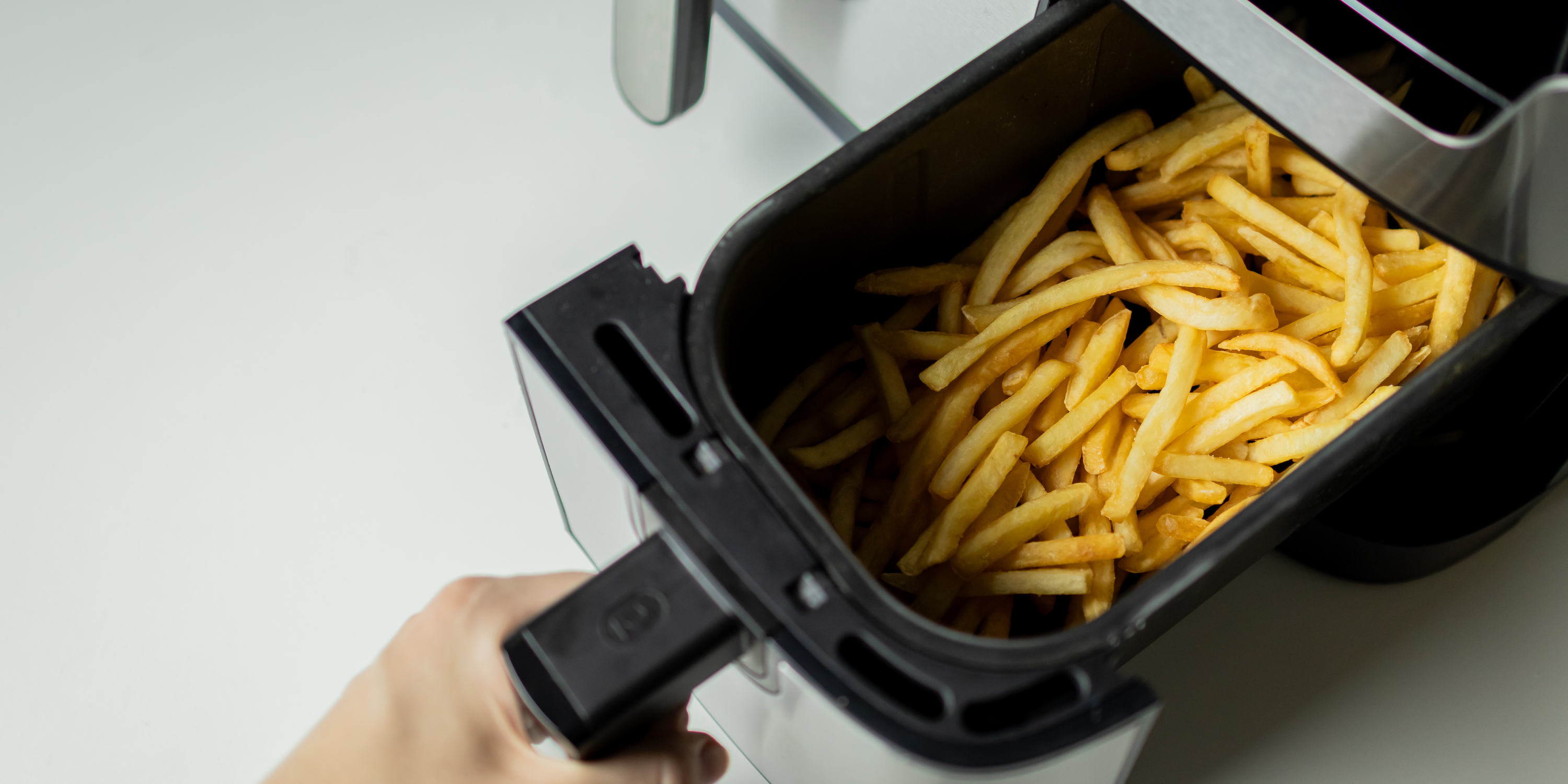
    An airfryer circulates hot air. Some recipes need little or no added oil, but the result is not identical to deep frying.

    Strengths: a compact cooking space and options for suitable small roasted or crisp preparations.

    Considerations: capacity may not fit a complete meal. Several batches need extra time and energy. Check which parts are dishwasher-safe and maintain ventilation clearances.

    Compare without blanket scores

    A star-based health or energy ranking oversimplifies the comparison. Consider the same portion, desired result and entire cooking process. Ingredients, added oil and portion size all affect nutritional properties.

    For electricity use, see our article on airfryers versus ovens.

    What suits your routine?

    Choose an oven for the space and functions you need, a deep fryer for specific fried recipes or an airfryer for suitable hot-air cooking. Sometimes appliances complement each other; sometimes no extra purchase is necessary.

    Servicadet in Stockel helps you compare capacity, maintenance and our available small appliance range.

  • Whirlpool 6TH SENSE explained: sensors for everyday convenience

    When choosing a home appliance, you want performance, ease of use and suitable consumption. Whirlpool uses the name 6TH SENSE for features available on different appliances. Their exact operation depends on the model and programme.

    What is 6TH SENSE?

    The principle is to use sensors and automatic controls to adapt operation to conditions. Depending on the appliance, this may involve the load, moisture, soiling or temperature. Not every 6TH SENSE appliance adjusts the same parameters.

    Automatic assistance takes over some settings, but you still need to load the appliance correctly and select a suitable programme.

    Washing machines and tumble dryers

    • Washing machines: on suitable models, sensors help adapt the cycle to the load. The precise control of water and time varies by appliance.
    • Tumble dryers: moisture sensing can help adapt drying to the selected dryness level and limit unnecessary over-drying.

    Compare the figures for the specific model. Savings are not a fixed percentage across all appliances or uses.

    Dishwashers

    Sensors may measure water soiling and adapt an automatic programme accordingly. Lightly soiled dishes need different treatment from pans with baked-on food, but the cycle is not necessarily shorter.

    Choose a programme according to the instructions and load baskets so that water can reach the dishes. Compare consumption for the programme you actually use.

    Ovens

    Some ovens offer automatic programmes for selected dishes. You choose the food type and enter the requested information; the oven assists with settings.

    Available dishes and functions vary by model. Follow the instructions and check results, particularly when making a recipe for the first time.

    Fridges

    Temperature sensors can help adapt cooling after a change, such as opening the door. Correct use still matters: follow food-storage advice when cooling cooked food, keep ventilation clear and avoid unnecessary door opening.

    A brand feature alone does not determine how long food keeps. The product, packaging, temperature and hygiene remain important.

    Choosing Whirlpool at Servicadet

    At Servicadet in Woluwe-Saint-Pierre, we help you compare:

    • the features of the chosen model;
    • capacity and dimensions;
    • stated consumption figures;
    • maintenance, installation and everyday use.

    Explore our Whirlpool page and ask which version suits your household.

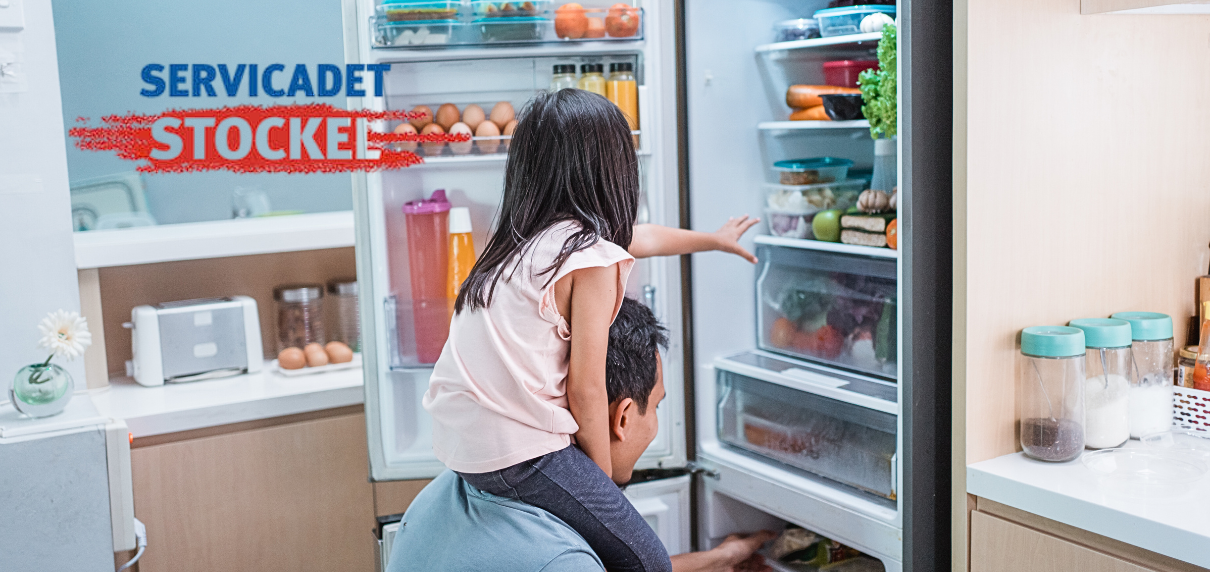
  • Organising your fridge for practical food storage

    An organised fridge helps you find shopping and manage supplies. The right layout depends on the appliance and the food. Start with the manual and storage instructions on the products.

    Understand your appliance’s cooling zones

    The coldest area is not at the same height in every fridge. Static cooling, air circulation and dedicated freshness compartments can create different temperature patterns. Consult the layout described by the manufacturer.

    Use a suitable thermometer to check storage temperature. The selected setting does not prove every compartment is at exactly that temperature at all times.

    Position products appropriately

    Store raw and prepared foods to prevent cross-contamination. Use suitable closed packaging and prevent raw meat or fish juices reaching other food. Put perishable items in the appropriate zone according to their instructions.

    Use vegetable drawers according to the appliance’s features. Fruit and vegetables do not all need identical conditions; packaging and ripeness matter too. Keep air vents clear.

    Door storage experiences different conditions through opening. Follow guidance on suitable products rather than placing everything there simply because it fits.

    Keep leftovers and supplies visible

    Use suitable containers and label contents and dates. Keep products needing use first visible. Follow shelf-life, opening and refrigeration instructions; appearance or smell alone is not a reliable safety check.

    Cool cooked food and store leftovers according to food-safety guidance. Refrigeration does not make incorrectly handled food safe again.

    What does not automatically need refrigeration?

    Not every unopened product needs the fridge. Check packaging and product type. Bread and certain fruit and vegetables may suit other storage, but avoid blanket rules that ignore cutting, ripeness or preparation.

    Maintenance and use

    • Avoid filling so tightly that airflow is blocked.
    • Clean drawers and shelves with approved products.
    • Check the seal and avoid unnecessary door opening.
    • Follow defrosting and ventilation instructions.

    A practical layout makes use easier but does not replace temperature checks and hygiene. For a fridge with suitable storage, Servicadet in Stockel can help you compare available models.

  • Descaling your coffee maker: what should you check?

    Limescale can affect a coffee maker’s operation. Regular maintenance matters, but capsule machines and filter coffee makers do not necessarily need the same procedure. Your model’s instructions remain decisive.

    Why descale?

    Water contains minerals that can form deposits when heated. These may affect flow and heat transfer. However, an appliance behaving differently does not automatically need only descaling; another fault may be present.

    How often is it needed?

    Frequency depends on water hardness, use, filtration and instructions. There is no single interval for every household in Woluwe-Saint-Pierre, Woluwe-Saint-Lambert, Kraainem, Tervuren, Wezembeek-Oppem, Watermael-Boitsfort, Auderghem, Uccle or Overijse. Check water information for your address and follow appliance settings or reminders.

    1. Choose the right product

    Use a descaler approved by the manufacturer for your model. Respect concentration and safety instructions. Vinegar or homemade mixtures are not automatically suitable and may affect certain components.

    2. Prepare the machine

    Follow instructions for emptying the tank and drip tray and removing capsules or filters. Remove only the parts required by the procedure.

    3. Measure the solution

    Prepare the specified quantity using an approved product. Use a sufficiently large collecting container and beware of hot liquid. Do not add coffee during descaling.

    4. Run the descaling procedure

    Follow the machine’s specific process. A normal coffee cycle is not automatically a substitute for a descaling programme. Do not interrupt arbitrarily and continue following the instructions.

    5. Rinse thoroughly

    Complete the required rinsing steps with clean water. Quantities and the number of steps vary by model. Use the appliance for drinks again only after completing the procedure.

    6. Care for removable parts

    Clean the tank, filter holder and other parts according to their own instructions. Hot water alone is not the correct method for everything. A water filter does not automatically replace descaling and needs its own timely maintenance.

    Unsure about a product or reminder? Contact Servicadet in Stockel with the model number. We can advise on care and our small appliances.

  • Choosing a washing machine: capacity, programmes and brands

    The washing-machine range is extensive. Drum capacity, programmes and format help narrow the choice, but should suit your actual laundry habits. This guide provides practical comparison points.

    What capacity do you need?

    Capacity is generally expressed in kilograms of dry laundry. Consider how much you collect per wash and which large items you need to clean.

    A smaller household does not automatically need a small drum, and a larger machine is not automatically more efficient. Respect the maximum load for each programme, which may be below the appliance’s overall capacity. For duvets, check both fabric and appliance instructions.

    Comparing programmes

    • Cotton and synthetics: basic programmes with their own load and temperature requirements.
    • Eco 40-60: use according to the manufacturer’s specified conditions.
    • Delicates or wool: only for items whose care labels permit machine washing.
    • Short programmes: often intended for limited loads or light soiling; check conditions.
    • Special programmes: steam or hygiene functions vary by appliance and are not a general medical promise.
    • Adjustable spinning: choose a permitted speed for the fabric and subsequent drying method.

    Additional programmes are most useful when they suit the fabrics you wash regularly.

    Brands as a comparison point

    At Servicadet, you can discuss brands including Bosch, Siemens, Miele, Whirlpool, AEG and Electrolux. Compare specific models rather than relying solely on general brand reputations. Availability and functions vary by version.

    Other important criteria

    Check energy and water figures and the duration of the stated programme. Consider noise and installation requirements, particularly in an apartment.

    Front-loaders and top-loaders need different clearances. Measure door opening, depth including connections and the delivery route. Consider maintenance and controls too.

    At Servicadet in Stockel, we help you compare washing machines for your household and budget. Bring measurements and your current model number if you are looking for a replacement.

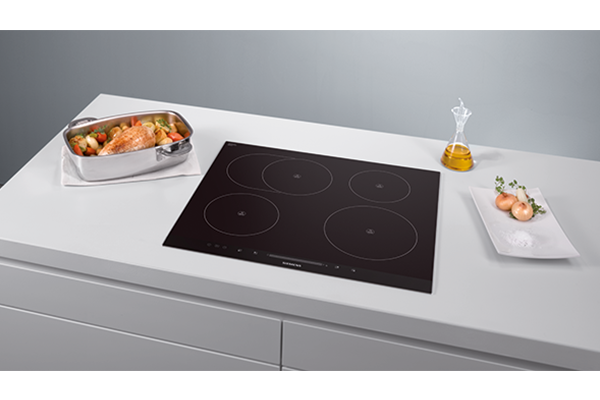
  • Choosing a hob for your kitchen in Woluwe

    The hob is a central part of your kitchen. The right choice depends on cooking habits, available space, connections and budget. If you are choosing an appliance in Stockel or the surrounding area, consider these points together.

    Gas

    A gas hob offers visible flames and a direct response to controls. Check the gas supply, installation requirements and ventilation. Burners, supports and cleaning requirements vary. Have the connection handled by an appropriate professional.

    Electric ceramic

    An electrically heated ceramic hob has a flat glass surface. Heating and cooling differ from induction, and residual heat remains important. Check suitable cookware and cleaners and compare power control.

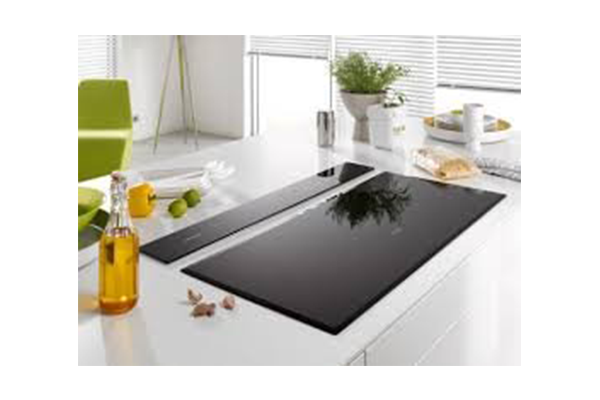
    Induction

    Induction heats suitable cookware through an electromagnetic field. The pan still transfers heat to the glass, so the surface does not automatically stay cold. Check cookware suitability, required base dimensions and the electrical connection.

    Flex zones and Boost may be useful, but features vary by model.

    Combinations and special layouts

    Want to combine cooking technologies or choose a hob with extraction? Ask which solutions are available. Do not assume a particular combination exists in every brand or fits every opening.

    Dimensions and cooking zones

    Measure the cut-out and check worktop thickness, ventilation and clearance requirements. External width does not reveal all the usable room for pans. Compare it with the cookware you actually use.

    Household size alone does not determine the number of zones needed. Your cooking habits and number of simultaneous dishes matter too.

    Features and budget

    Timers, pan detection, child locks and temperature sensors depend on the model. Choose features you understand and will use. Include any connection or worktop alterations and installation alongside purchase price.

    At Servicadet in Woluwe-Saint-Pierre, we compare hobs according to your measurements, cookware and preferences. Bring photos and details of your existing connection.

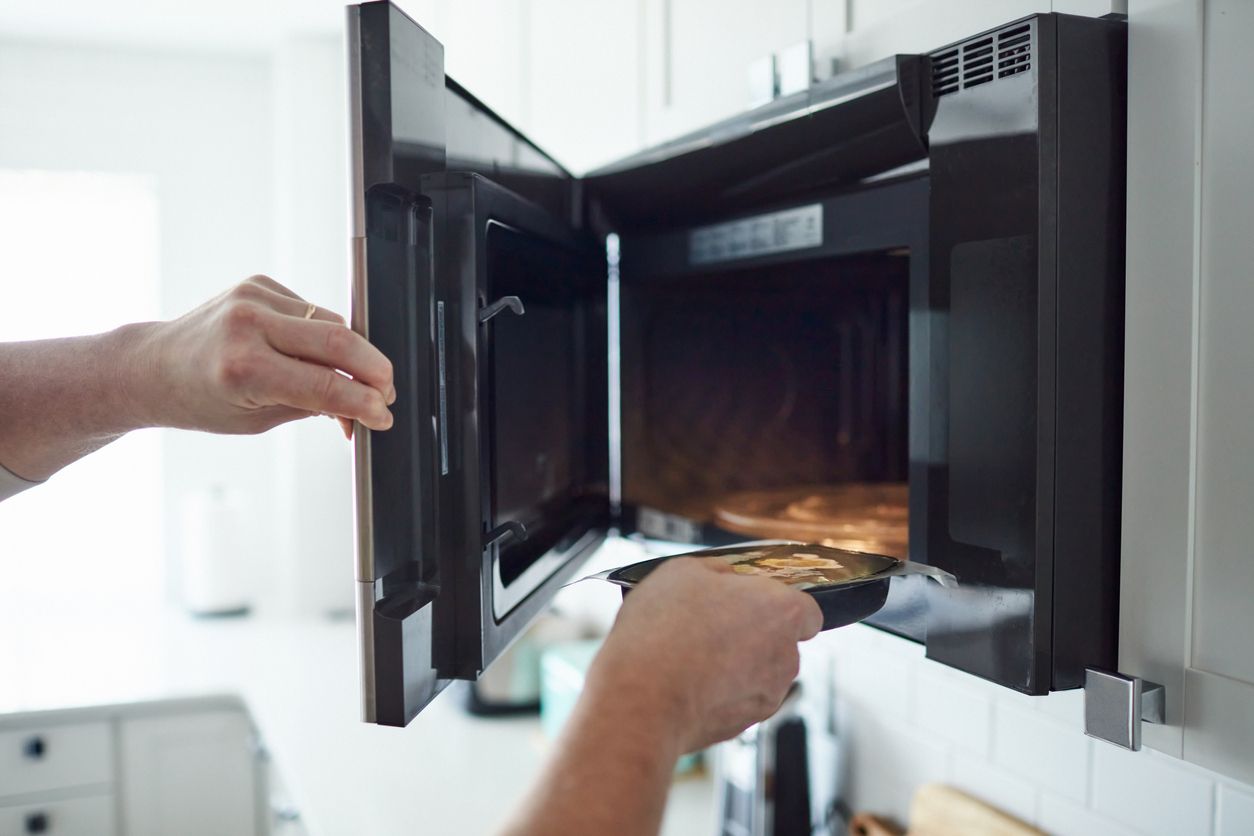
  • Cleaning your oven and microwave: the right approach

    A clean oven or microwave is more pleasant to use. Yet not every popular cleaning tip suits every appliance. Coatings, seals and cleaning functions differ. Start with the instructions for your model.

    Preparing the oven

    Switch off and let the appliance cool as instructed. Remove loose food residues and take out accessories only when safe. Check whether racks and trays may be cleaned by hand or in the dishwasher.

    Using suitable products

    Choose cleaners and materials approved for the surface. Avoid abrasives on vulnerable coatings and do not spray indiscriminately into vents, electrical parts or seals.

    Do not mix cleaning products. Vinegar, lemon and baking soda are not automatically safe for every coating or substitutes for the specified method. Fizzing alone is not proof of better cleaning.

    Self-cleaning functions

    Does your oven have pyrolysis, catalytic liners or a cleaning programme? Follow its instructions, including accessory, ventilation and cooling requirements. Do not assume a function works identically on another model.

    Do not line the oven floor with foil unless specifically permitted; this can conflict with the appliance instructions.

    Cleaning the microwave

    First let the appliance cool safely and follow switching-off instructions. Wipe accessible internal surfaces with an appropriate soft material. Use any cleaning programme only as directed.

    Do not improvise by heating a bowl of liquid at full power for a long time to create steam. Water may superheat and boil suddenly when disturbed. Use only the method specified by the manufacturer and take care with hot liquids.

    Turntable and door

    Check how the turntable and support may be removed and cleaned. Avoid sudden temperature changes in glass. Keep the door and contact surfaces clean without damaging or adjusting components. A damaged door or closure needs professional assessment before further use.

    A maintenance routine

    Remove spills when safe, use suitable covers and avoid unnecessary build-up. Follow the appliance instructions rather than one universal weekly schedule.

    Servicadet in Stockel can advise on appropriate maintenance products and the use of ovens and microwaves.

  • Compact home appliances for an apartment in Woluwe

    Every centimetre matters in a Woluwe apartment. Compact appliances can help save space, but dimensions alone are not enough. Consider capacity, door clearance, ventilation and accessory storage too.

    1. A washing machine for the available space

    Compare width and depth. A narrow top-loader has different placement requirements from a shallower front-loader; not every compact machine fits under a worktop. A washer-dryer can combine two functions, but drying capacity often differs from washing capacity.

    2. A fridge of the right size

    A tabletop or suitable undercounter fridge can be practical in a small kitchen. Check ventilation and permitted installation. Choose capacity according to shopping habits and household size. Any freezer compartment has its own capabilities to check.

    In a studio, consider noise too.

    3. Combining oven and microwave functions

    A combination appliance can offer several cooking methods in one space. Check which oven, grill and microwave functions are actually included. Compare internal dimensions with your dishes and check installation requirements.

    4. An appropriately sized airfryer

    An airfryer can be practical for smaller quantities. Compact external dimensions do not automatically provide enough cooking capacity for your meal. Maintain ventilation clearance and allow the drawer to open. It does not replace an oven or deep fryer for every recipe.

    5. A compact coffee solution

    A capsule machine or filter coffee maker can fit without dominating the worktop. Check access to the water tank and clearance for opening lids. We help you choose within our offered range, without recommending automatic coffee machines with integrated bean grinders.

    6. A vacuum you can store

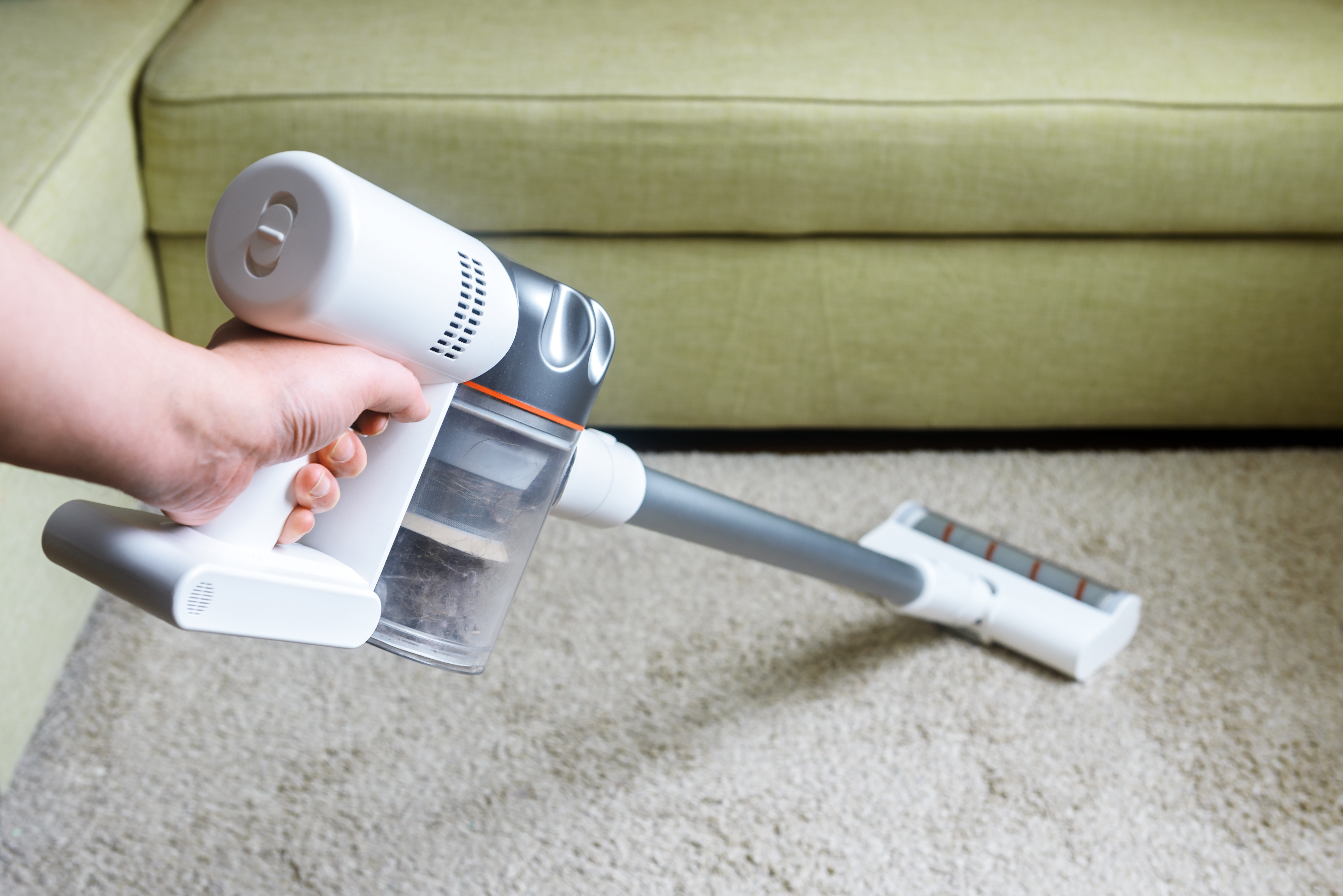
    Compare stick and compact vacuum cleaners according to your floors and storage space. For cordless models, consider runtime, charging and accessories. A robot needs space for its charging station and suitable access routes.

    7. A multifunctional kitchen helper

    A kitchen machine can combine tasks depending on its accessories. Check what is included and where you will store it. A smaller appliance is useful only if capacity and functions suit your recipes.

    8. Assessing space and air comfort separately

    An air purifier does not replace ventilation or cool a room like an air conditioner. A portable air conditioner may need an exhaust hose and suitable window arrangement. Ask which appliances are actually offered and what installation conditions apply.

    At Servicadet in Stockel, Woluwe-Saint-Pierre, we help you compare large and small appliances. Bring your measurements for advice suited to your apartment.

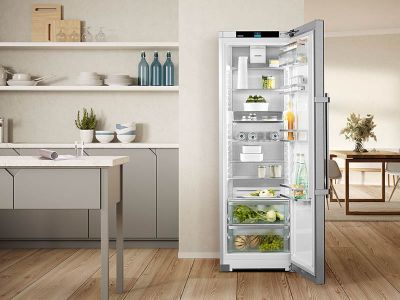
  • Built-in or freestanding fridge: which suits your kitchen?

    Choosing a new fridge often starts with a question: built-in or freestanding? Customers from Woluwe-Saint-Pierre and neighbouring municipalities regularly ask it. Both can be suitable; space, appearance and installation requirements all affect the choice.

    Built-in: a coordinated appearance

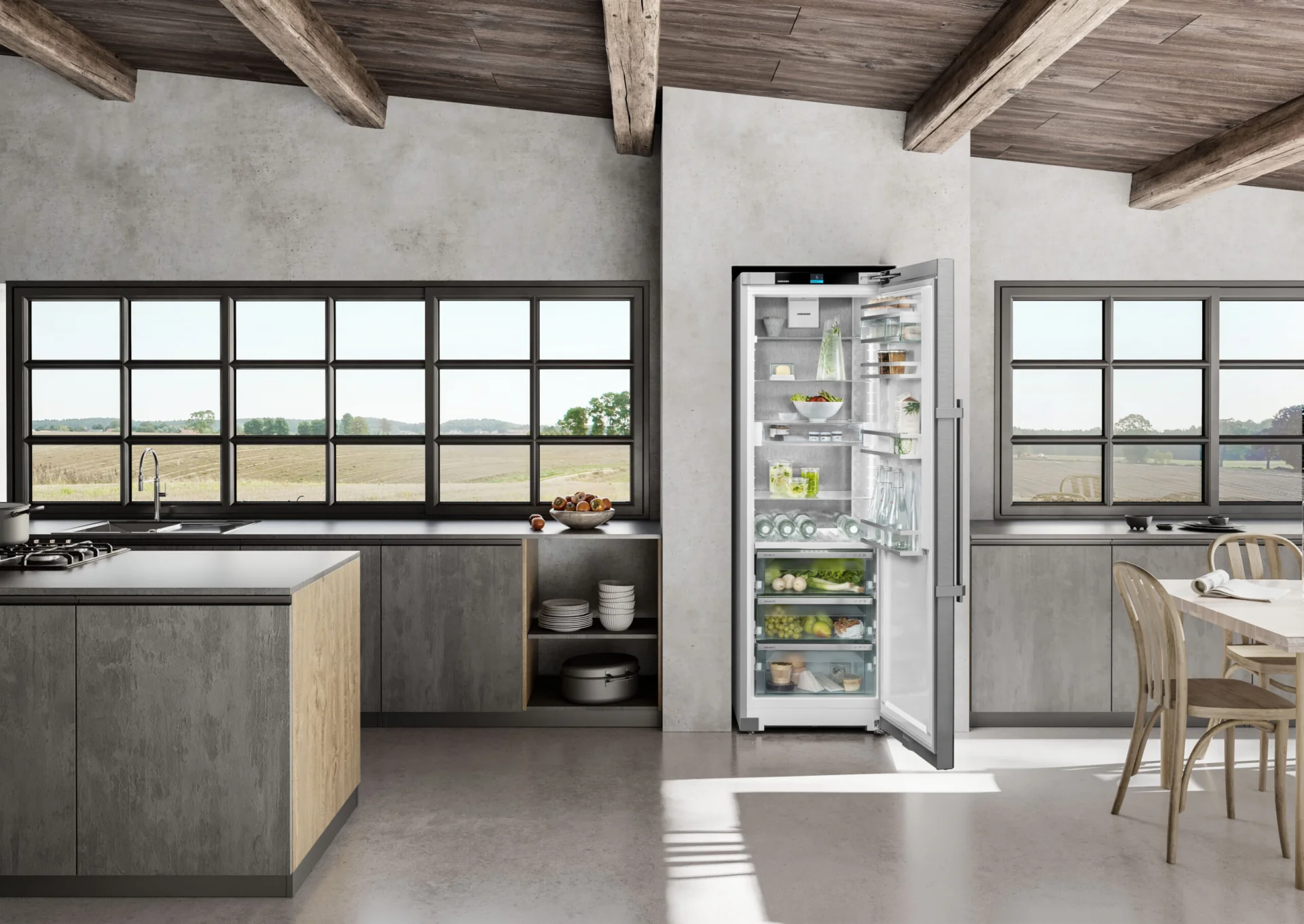
    A built-in fridge fits into suitable cabinetry and may sit behind a matching furniture door, creating a consistent kitchen appearance.

    It does not fit just any cabinet. Check niche height, width, depth, ventilation and furniture-door attachment. An appliance cannot be adapted freely to cabinet dimensions. The door system also matters when replacing an existing fridge.

    Installation may involve extra work. Compare modifications and fitting as well as the appliance price.

    Freestanding: a variety of formats

    Freestanding fridges come in different dimensions, colours and capacities. They remain visible and can create a distinctive feature in the kitchen.

    They need more than a socket too. Ventilation clearances, stable positioning, door opening and any waiting period after transport must follow the instructions. Do not enclose a freestanding model in an unventilated niche unless this is permitted.

    Comparing available space

    Measure the actual location and delivery route. Allow for the door and drawers to open. Compare usable capacity rather than external size alone.

    An open-plan kitchen does not automatically require a freestanding fridge, and a fitted kitchen does not rule one out. The specific layout determines the options.

    Appearance, use and budget

    Do you prefer a continuous furniture front or a visible appliance? How much chilled and frozen storage do you need? Include energy figures, noise and maintenance in the comparison.

    Compare total costs: purchase, delivery, installation and possible cabinet alterations. Neither format is automatically cheaper or more practical for everyone.

    Personal advice at Servicadet

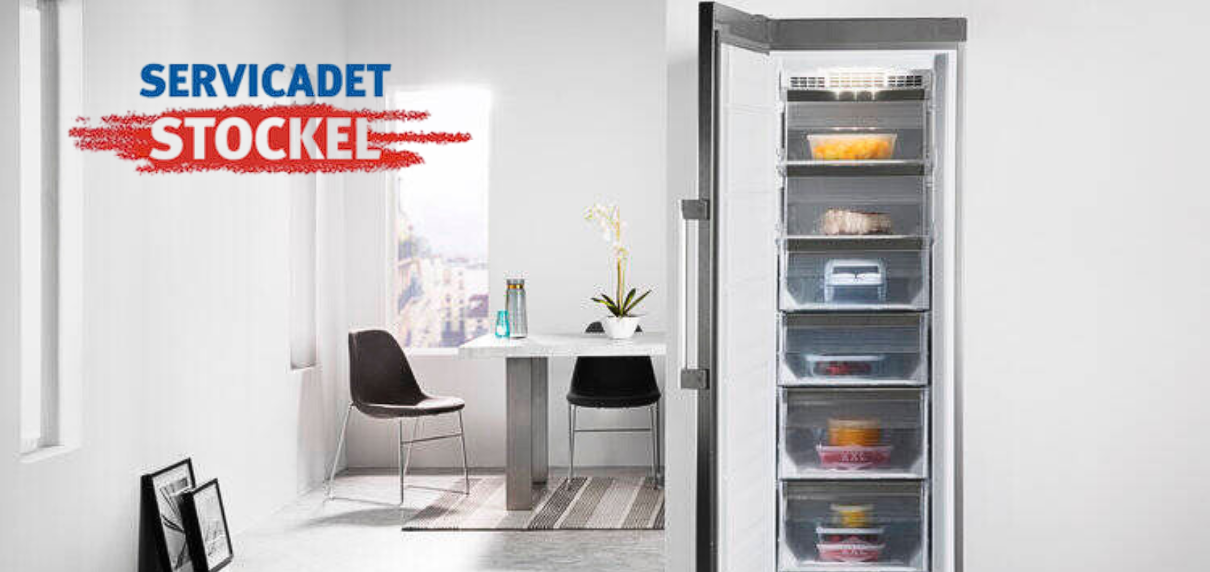
    Bring measurements and photos to Servicadet in Stockel. Together, we compare fridges and freezers and discuss delivery and installation options. You can then choose for your kitchen and your habits.