Author: admin3840

  • When should you replace your fridge? Signs worth checking

    Your fridge works day and night to store food. A change therefore deserves attention, but does not automatically mean you need a new appliance. These signs are worth checking and, where necessary, having assessed.

    Cooling seems inadequate

    Check the setting, door closure and ventilation space according to the manual. Assess storage temperature with a suitable thermometer and follow food-storage guidance. Smell or appearance alone does not establish whether food is safe.

    If cooling remains inadequate, limit door opening and seek help promptly. Consider the safety of stored food rather than waiting for complete failure.

    Unusual noises

    Compressors, fans and refrigerant can make normal operating sounds. New, strong vibrations or unusual noises need investigation, but do not immediately identify a faulty part. Check simple placement points in the instructions and seek a diagnosis when unsure.

    Unexpectedly high consumption

    A higher electricity bill can have several causes. Where possible, compare appliance consumption and inspect settings and the door seal. A new model does not automatically save a fixed percentage: capacity and use need to be comparable.

    Moisture or excessive ice

    Check that the door closes correctly and is not blocked by drawers or packaging. Defrosting procedures depend on the appliance. Never use sharp objects to remove ice. Recurring condensation or ice may indicate a maintenance or technical issue.

    Considering age

    Age is one factor alongside condition, parts availability, repair cost and consumption. There is no fixed replacement date for every fridge. Seek advice before replacing an appliance that may still be usable.

    Comparing options in time

    A timely assessment can help avoid both an unnecessary purchase and a rushed decision. Measure available space and consider the storage capacity your household needs.

    At Servicadet in Stockel, we discuss possible next steps and compare fridges and freezers, from compact models to spacious family appliances. Bring your current fridge’s model number.

  • Why choose home appliances at Servicadet in Stockel?

    Servicadet welcomes you at Val des Seigneurs 61 in Stockel, Woluwe-Saint-Pierre. In our shop, we compare appliances for your kitchen and laundry room with attention to your habits, available space and budget.

    Our brands include Bosch, Siemens, Miele, Liebherr, AEG, Whirlpool, Smeg, Electrolux and Novy. The choice depends on appliance type and availability.

    Personal advice

    The right appliance starts with useful questions. How much laundry do you do? What space is available? Which features will you actually use? Our team takes time to explain differences and compare suitable models.

    Bring measurements and, where helpful, photos of the installation space so we can advise more precisely.

    Choosing for your needs

    A long feature list does not automatically make a machine the best choice. We consider capacity, ease of use, energy figures and maintenance alongside purchase price. You can then decide what matters to your household.

    Ask about the specific terms and availability of your chosen model. We do not make a blanket promise that every appliance is always cheaper than elsewhere.

    Discussing delivery and installation

    At purchase, we discuss delivery and installation options. Mention stairs, narrow passages or a possible need for a lift in advance. Connections, cabinetry and access must suit the appliance and agreed service.

    Support after purchase

    Have a question about use or a problem with your appliance? Give our team the model number and a description. We help you explore next steps for after-sales support, warranty or repair. Timescales and parts depend on the individual situation.

    Nearby in Woluwe and the surrounding area

    Our shop is in Woluwe-Saint-Pierre. We also welcome customers from Woluwe-Saint-Lambert, Kraainem, Tervuren, Wezembeek-Oppem, Watermael-Boitsfort, Auderghem, Uccle and Overijse.

    See our delivery and installation options or contact us. At Servicadet, personal advice supports your choice, from the first comparison to questions after purchase.

  • Cooker hood filters: which solution suits your kitchen?

    A cooker hood helps extract or filter cooking vapour, grease and smells. Different filters perform different jobs. Understanding the distinction between ducted extraction and recirculation is particularly important when choosing an appliance.

    Activated carbon filters for odours

    In many recirculating hoods, activated carbon helps absorb odour compounds before air returns to the kitchen. The hood also needs a grease filter.

    Benefits: a suitable option where direct outdoor extraction is not possible; filtering can help reduce cooking smells.

    Points to consider: a carbon filter does not replace the grease filter, and recirculation does not remove cooking moisture outdoors. Replacement or regeneration depends on filter type and use. Follow the manufacturer’s instructions rather than applying one fixed interval to every model.

    Metal grease filters

    Aluminium or stainless-steel grease filters trap grease particles. They are used in ducted hoods and in many recirculating systems.

    Benefits: they protect the appliance interior from grease deposits and are often reusable after cleaning according to the instructions.

    Points to consider: a grease filter is not a complete odour filter. Check whether dishwasher cleaning is permitted and which products are suitable.

    Aluminium mesh filters

    A multilayer aluminium mesh filter is one form of metal grease filter, not a separate alternative to every other filter type. Its layers help trap grease particles in the airflow.

    The filter needs correct fitting and timely cleaning. A dirty filter can affect operation. Avoid cleaning methods the manufacturer advises against.

    Combined filtration

    In recirculation systems, grease and odour filters often work together. They perform different roles and do not necessarily need the same maintenance.

    • Check which filters are included with the appliance.
    • Ask about replacement filters or regeneration options.
    • Consider ongoing costs and access for maintenance.
    • Check the kitchen ventilation requirements.

    A combination does not automatically make maintenance simpler or mean that one filter captures everything.

    Which solution should you choose?

    First establish whether ducted extraction is possible and permitted. Ducting, available space and ventilation provisions affect the choice. With recirculation, understand what the system does and does not remove.

    At Servicadet in Woluwe-Saint-Pierre, we help you compare cooker hoods and filters. Bring details of your kitchen and any existing ducting for tailored advice.

  • Common mistakes to avoid when caring for home appliances

    Home appliances are important purchases. Correct use and maintenance help preserve their operation and can limit avoidable problems. Pay attention to these common mistakes, while treating your appliance’s own instructions as the starting point.

    1. Delaying routine maintenance

    Dirt, grease and limescale can build up. Clean dishwasher, cooker hood and vacuum filters as instructed. Descale coffee makers and kettles with an approved product. Clean hobs and ovens only when safe and with suitable products.

    2. Overloading the appliance

    A full drum is not the same as an excessive load. Respect the capacity for the selected washing programme and leave room for movement. Load dishwashers so spray arms turn freely and water can reach the dishes.

    3. Ignoring wear or unusual behaviour

    A damaged seal, unusual vibration, error code or reduced performance needs attention. Have the issue assessed before it worsens. Stop using an appliance if you suspect an unsafe condition and follow the safety instructions.

    4. Using unsuitable cleaning products

    Aggressive products and abrasive materials can damage surfaces and components. Use suitable cleaners at the recommended dose. Do not mix cleaning products or use a descaler on an appliance for which it is not approved.

    5. Overlooking installation requirements

    Appliances need correct connections, stable placement and sufficient ventilation. Check dimensions, electrical supply, water connections and drainage. Leave work requiring specialist knowledge to an appropriate professional.

    6. Handling the power supply incorrectly

    Follow instructions for switching off or unplugging small appliances. Do not pull the cable or use a damaged plug. Not every appliance should be switched off after use: fridges and freezers must keep running during normal operation. Do not connect high-power appliances through an unsuitable extension block.

    7. Forgetting settings and updates

    Check relevant settings, such as fridge temperature. For connected appliances, install updates as directed and consider the conditions for online functions.

    8. Storing appliances incorrectly

    Store small appliances clean and dry. Let parts dry before putting them away and protect cables from kinking or damage. Consult specific instructions for long-term storage.

    9. Skipping the manual

    Read safety guidance, programmes and maintenance requirements before first use. Keep the model number so you can find the correct instructions and parts.

    Care starts with appropriate use

    No maintenance routine prevents every fault, but correct care can help limit unnecessary wear. Have a question or need a part? Contact Servicadet in Stockel for advice on the next steps.

  • Dishwasher or washing up by hand: which uses less?

    Using a dishwasher or washing up by hand: which has less environmental impact? Households in Watermael-Boitsfort and Uccle also look for ways to save water and energy. The answer depends on habits as well as the appliance.

    Comparing water use

    An efficiently used dishwasher can need less water than washing up under a continuously running tap. A fair comparison requires the same amount of washing-up and a clearly defined method.

    For a dishwasher, check the litres per eco cycle on the energy label. With hand washing, the amount of water in the bowl and the rinsing method make a substantial difference. One general figure cannot describe every household.

    Energy for heating water

    Both methods require energy to heat water. For hand washing, this depends on your hot-water system, temperature and the amount used.

    For dishwashers, the European label gives energy per 100 eco cycles and a rating from A to G. Compare these figures alongside capacity and consider the programmes you actually use.

    A short programme is not automatically the most economical. Consult the programme information in the manual.

    Detergents and packaging

    Detergent dosage, composition and packaging also matter. It is not correct to assume that every dishwasher detergent is environmentally preferable to every washing-up liquid, or that a filter removes dissolved cleaning products from wastewater.

    Use an appropriate product at the recommended dose. More detergent does not automatically improve results.

    Practical dishwasher tips

    • Fill the machine properly without blocking spray arms or stacking dishes together.
    • Choose the eco programme for suitable, normally soiled dishes.
    • Remove food scraps and avoid unnecessary pre-rinsing under running water, following the appliance instructions.
    • Maintain filters and spray arms as directed.

    Using less water when washing by hand

    Use a filled sink or washing-up bowl rather than leaving the tap running. Measure detergent carefully and organise rinsing to limit wasted water. Hand washing can be practical for a few items; do not wait for a full machine if this would mean unhygienic storage.

    Which choice suits you?

    An efficient dishwasher used appropriately can be a good option. Household size, available space, washing-up volume and habits remain important. At Servicadet in Stockel, we help you compare dishwashers by capacity and consumption without promising universal savings.

  • Getting your kitchen ready for summer: a practical checklist

    Summer meals often call for fresh recipes and a practical kitchen. You do not need to replace every appliance. Use this checklist to see what already works well and what you might be missing.

    1. Check the fridge and freezer

    Check temperature settings, seals and ventilation according to the instructions. Plan sufficient space for fresh food, ice or frozen fruit without overloading. An ice maker or fast-freeze function may be available on certain models, with its own conditions of use.

    Explore our fridges and freezers if you need additional or different storage.

    2. An ice-cream maker for your recipes

    Making ice cream or sorbet can be an enjoyable addition. Check whether a bowl needs freezing in advance and how much space that requires. Choose capacity and ease of cleaning according to your habits. Ask about offered models and availability.

    3. A blender or mixer

    A suitable blender or mixer is useful for smoothies, gazpacho and cold soups. Not every appliance can process ice cubes or frozen fruit. Check instructions, maximum capacity and any restrictions on hot ingredients.

    Try recipes such as watermelon with mint, a banana drink or gazpacho.

    4. A table grill or electric barbecue

    A suitable electric grill can cook vegetables, fish or meat, but is not automatically smoke-free. Use indoor or outdoor models only in approved locations. For a balcony, also check local and building rules, surfaces and electrical connections.

    5. Cooker hood and ventilation

    A correctly used cooker hood helps manage cooking vapours and smells. It does not replace air conditioning, and recirculation does not remove cooking moisture outdoors. Clean filters as instructed and provide suitable ventilation.

    6. Useful accessories

    A citrus press, ice moulds or suitable storage containers may help. A filter jug does not remove the need to follow replacement and hygiene instructions. A fan can move air but does not replace safe food storage.

    Start with your actual needs

    List what you use and measure available space. Contact Servicadet in Stockel for advice on our small appliances and availability. Prepare your kitchen without unnecessary purchases.

  • Five tips for organising home appliances in your kitchen

    An organised kitchen makes preparation, cooking and tidying easier. Whether space is limited or generous, a considered place for each appliance helps. Use these five tips with installation and safety instructions as the starting point.

    1. Plan practical zones

    Think about preparation, cooking and washing up. A dishwasher near the sink can simplify loading; a microwave near a suitable landing surface may be convenient. Exact placement still depends on connections, ventilation and permitted installation.

    Keep frequently used small appliances accessible and store less-used equipment safely. Avoid placing heavy or hot appliances on unsuitable high shelves.

    2. Choose appropriate storage

    Adjustable shelves, organised drawers and accessory boxes help use space effectively. Check the load capacity of shelves and pull-out platforms. Protect blades and sharp accessories and keep them out of children’s reach.

    A mobile trolley can provide storage, but is suitable for operating an appliance only if stability, heat resistance and ventilation meet its instructions.

    3. Organise cables

    Use built-in cable storage where permitted. Keep leads away from hot surfaces and worktop edges. Do not operate appliances with cables tightly coiled in an unsuitable way.

    Avoid overloading extension blocks. Have additional fixed connections assessed by an appropriate professional rather than plugging several high-power appliances together indiscriminately.

    4. Limit worktop clutter

    Consider which functions you really use. A suitable kitchen machine can combine tasks, but accessories need space too. Measure more than the footprint: allow for lids, tanks, drawers and ventilation.

    Being stored in a cupboard does not mean an appliance can safely operate there. Use kettles, toasters and airfryers only in permitted locations.

    5. Include maintenance in your plan

    Organise suitable cleaning products and consumables and keep filters and components accessible. Follow specified maintenance intervals rather than applying one schedule to everything.

    Inspect visible cables and do not use a damaged appliance before it has been assessed.

    Comparing small appliances or fitting a new machine into your kitchen? Servicadet in Stockel can help you make a practical choice.

  • Saving electricity with your home appliances

    Home-appliance electricity consumption depends on both the equipment and your habits. Before replacing an appliance, it is worth checking settings, maintenance and use. These points help you compare more thoughtfully.

    Read energy labels and product figures

    Compare within the same category and consider capacity and kWh, not just the rating. Measurement bases differ between product groups, such as annual consumption or consumption per number of cycles.

    A favourable class does not automatically guarantee a lower bill than your current situation. An estimate also needs your usage and electricity price.

    Choose a suitable programme

    Washing machines and dryers, dishwashers and ovens offer different settings. A short programme is not necessarily the most economical. Consult the manual’s programme information and use an eco setting when appropriate for the load or cooking.

    Improve everyday habits

    • Load washing machines according to the selected programme’s capacity without overfilling.
    • Load dishwashers properly and keep spray arms clear.
    • Switch off small appliances as instructed; fridges and freezers must stay on during normal use.
    • Keep ventilation openings clear and check door seals.
    • Defrost only as specified for the particular appliance.

    Set storage temperatures according to manufacturer and food-storage advice. Do not save energy by keeping perishable food too warm.

    Assess recent and connected appliances

    Sensors or features such as Whirlpool 6TH SENSE may assist operation depending on the model. Wi-Fi is not evidence of low consumption. Compare specific figures and features you will actually use.

    Making the right investment

    A working appliance does not always need replacement. Consider repair and replacement according to condition, consumption and cost. At Servicadet in Stockel, we help you compare suitable models and running costs, combining convenience with an informed choice.

  • 45 cm or 60 cm dishwasher: which suits your apartment?

    In an apartment, every centimetre counts, and appliance noise can matter too. Should you choose a 45 cm dishwasher or a standard 60 cm model? These points will help you find a size that suits your kitchen and your habits.

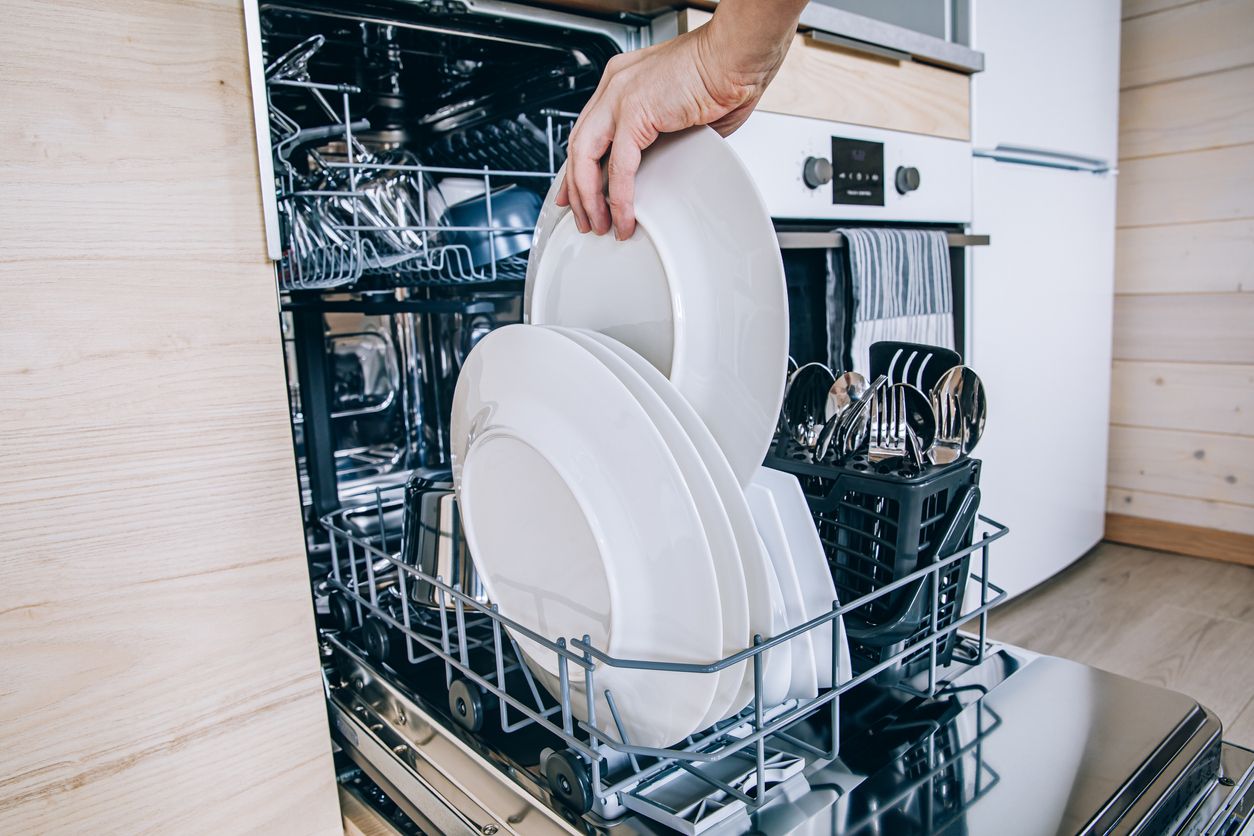
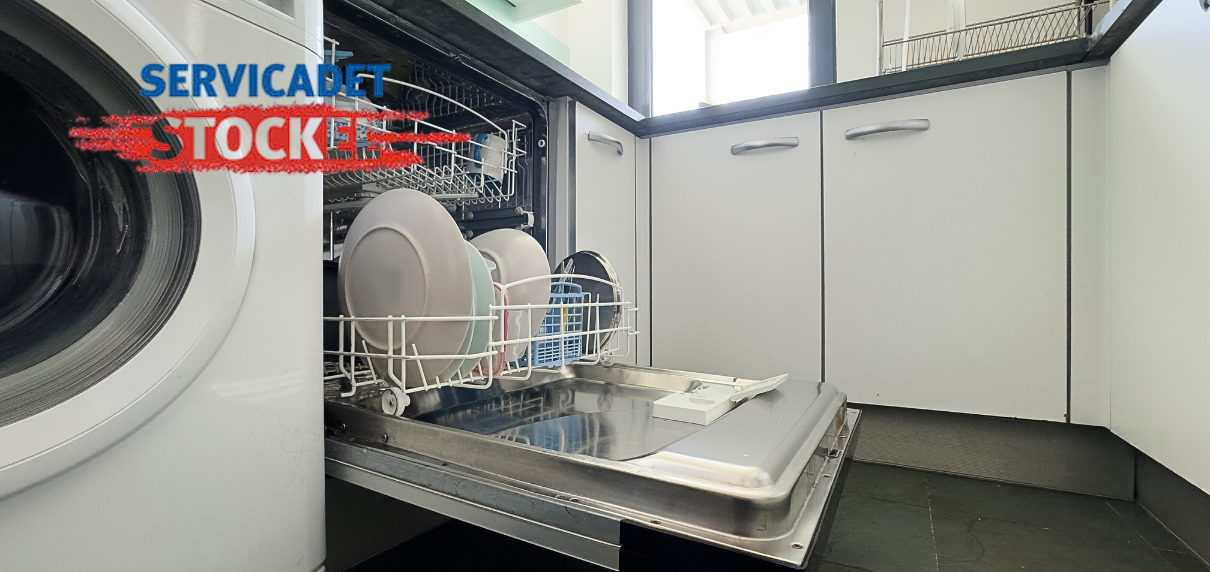
    Open built-in dishwasher showing its baskets

    Capacity and adjustable baskets

    A 60 cm dishwasher generally offers more loading space. This can be useful if you cook frequently or use large plates and pans. Always check the capacity and layout of the specific model.

    A 45 cm model is nominally 15 cm narrower, making it worth considering for compact kitchens. Measure the height, depth and clearance needed to open the door too.

    Practical tip: look at the baskets. Adjustable baskets, glass supports and a cutlery drawer can make everyday use easier. Consider the items you wash most often.

    Noise and vibration

    For an open-plan kitchen or evening use, pay particular attention to noise.

    • Compare the decibel rating and noise class on the energy label.
    • Check the duration of the programmes you plan to use.
    • Correct installation and properly adjusted feet help limit vibration.

    This lets you choose according to comfort in your living space as well as size.

    Energy consumption: compare the right figures

    Consumption depends on the appliance, programme and frequency of use, among other factors. The European energy label for dishwashers runs from A to G. It includes energy consumption per 100 eco cycles and water consumption per eco cycle.

    Compare these figures alongside capacity. A smaller machine does not automatically use less for the same total amount of washing-up. Choose an appropriate programme and follow the loading instructions.

    If your electricity contract has different tariffs, take your own contract and the appliance instructions into account when choosing a start time.

    Personal advice in store

    Bring your kitchen measurements to Servicadet in Stockel, Woluwe-Saint-Pierre. Together, we can check the available space and compare layouts, features and connection requirements.

    Explore our dishwashers or contact our team for advice.