Category: Uncategorized

  • Heat-pump tumble dryer: longer cycles, but worthwhile?

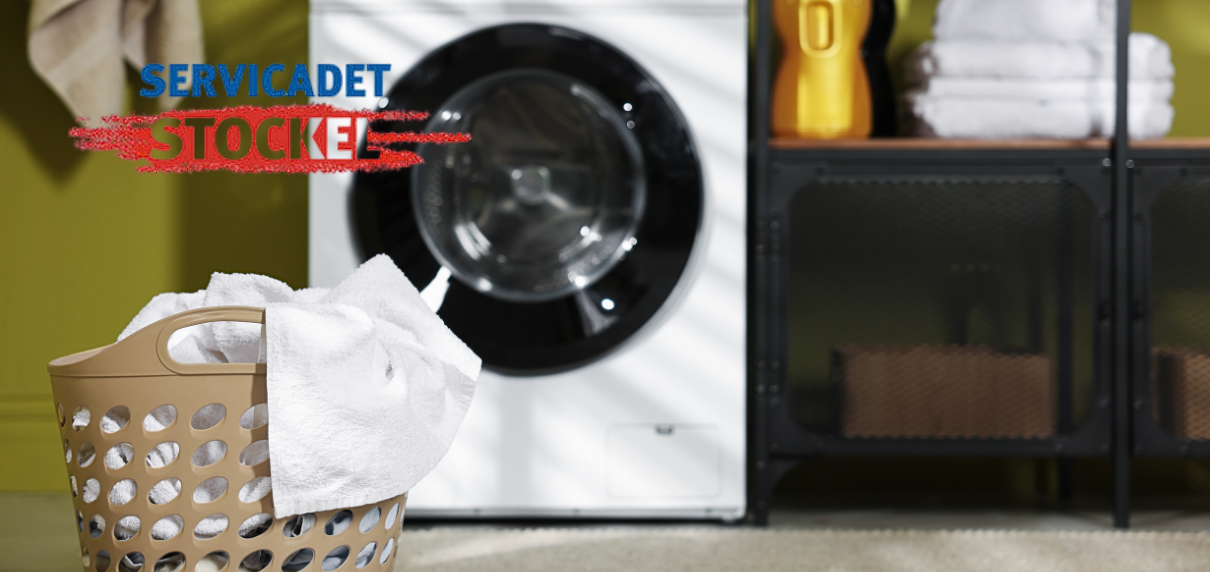
    A heat-pump tumble dryer can take longer to complete a cycle than a conventional electric dryer. Lower consumption and a different approach to fabric care may balance that compromise. The useful comparison is the specific programme on the specific appliance.
    Why a cycle can take longer

    A heat-pump system reuses heat within the drying process. It can therefore operate with a different temperature profile from conventional electric heating.

    Total duration depends on the programme, load, fabric, spin drying and required dryness. Longer running time does not automatically mean higher electricity use.

    Fabrics and temperature

    An appropriate temperature and dryness level can limit unnecessary stress on textiles. However, not every delicate garment can go in a tumble dryer. Always check the care label and appliance programme table.

    Use a specialist programme only for permitted fabrics. No technology completely rules out shrinkage or wear.

    Comparing real running costs

    Compare the stated consumption and capacity of the models. A general saving percentage cannot apply to every appliance or load.

    Use your cycle frequency and electricity price to estimate potential running costs. Include purchase price and maintenance when deciding whether replacement makes sense.

    Maintenance for correct operation

    Clean lint filters at the specified intervals. Check the condensate container or drain. Instructions for the heat exchanger or condenser vary substantially: some parts must not be cleaned by the user. Follow the manufacturer rather than improvising brushing or rinsing methods.

    Restricted airflow can affect operation and cycle duration. A persistent change needs further investigation.

    Installation in an apartment

    • Check permitted room temperatures and ventilation requirements.
    • Choose a stable location and maintain specified clearances.
    • Keep the container, filters and door accessible.
    • Measure the route through stairs, lifts and corridors for delivery.

    Stacking above a washing machine requires an appropriate approved solution.

    Finding the right balance

    Do you need consecutive loads ready quickly, or is consumption the priority? Discuss your routine with Servicadet in Stockel. We help you compare tumble dryers by programmes, capacity, installation and running costs.
  • Sizing a cooker hood: airflow, width and mounting height

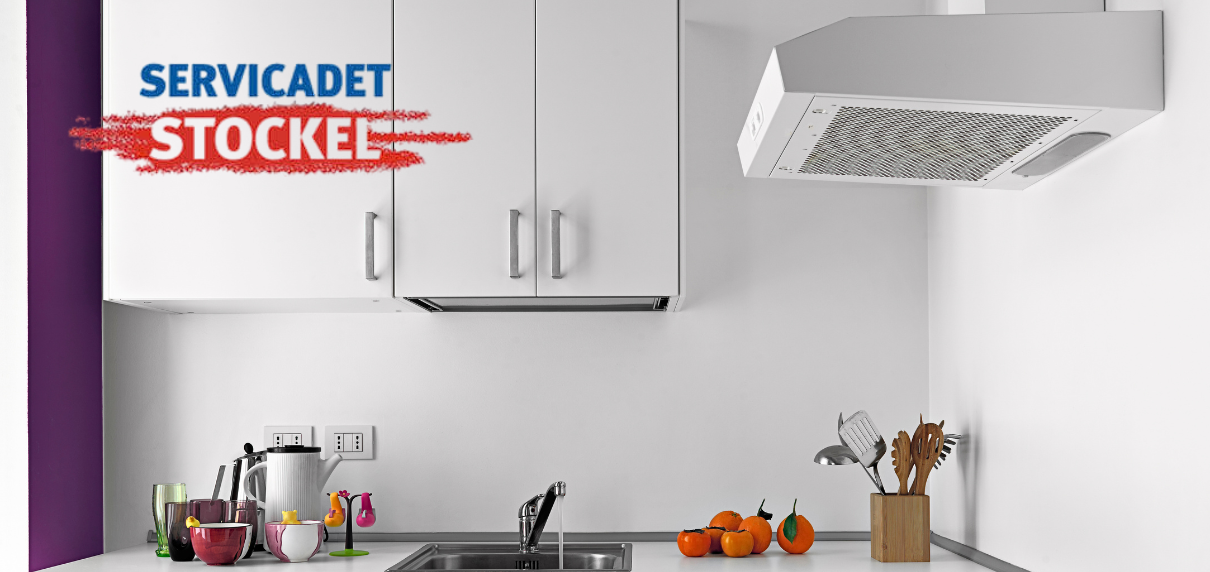
    Choosing a suitable cooker hood involves more than seeking the highest airflow figure. The hob, kitchen layout, ducting and mounting all affect the options. These points help you compare meaningfully.

    1. Airflow in the context of your kitchen

    Stated airflow provides information about capacity under specified conditions. The actual installation can affect operation through duct length, bends and filters, for example.

    A fixed formula based only on room volume is not sufficient for every open-plan kitchen or integrated extraction system. Bring measurements and hob details and have the installation considered as a whole.

    2. Choosing the type of hood

    • Built-in: for suitable wall cabinets or other designated installation spaces.
    • Wall-mounted: matched to the hob, space and available ducting.
    • Island or ceiling: consider position, mounting and capture of cooking vapours.
    • Integrated extraction: check suitability of the hob, worktop and cabinet space.

    A visible model is not automatically easier to install than a built-in solution.

    3. Ducted extraction or recirculation

    Ducted extraction sends air outside through suitable ducting. Check that this is possible and permitted, including replacement-air and ventilation requirements.

    Recirculation filters air and returns it to the kitchen. An odour filter does not replace the grease filter, and cooking moisture is not removed outdoors. See our article on cooker hood filters.

    4. Width and mounting height

    Suitable width and distance above the hob follow the requirements of both appliances. Gas and electric cooking can have different conditions. Do not use a general distance as a universal rule; ceiling and worktop extraction also require different approaches.

    5. Noise and maintenance

    Compare noise at an extraction setting you will actually need. Higher settings and unsuitable ducting may be more audible. Clean grease filters and replace or regenerate odour filters according to the system rather than one interval for every model.

    Advice based on your measurements

    Bring kitchen dimensions, photos, hob details and existing ducting information to Servicadet in Stockel. We help you compare cooker hoods according to installation, use and maintenance.

  • Steam ovens: what can steam add to everyday cooking?

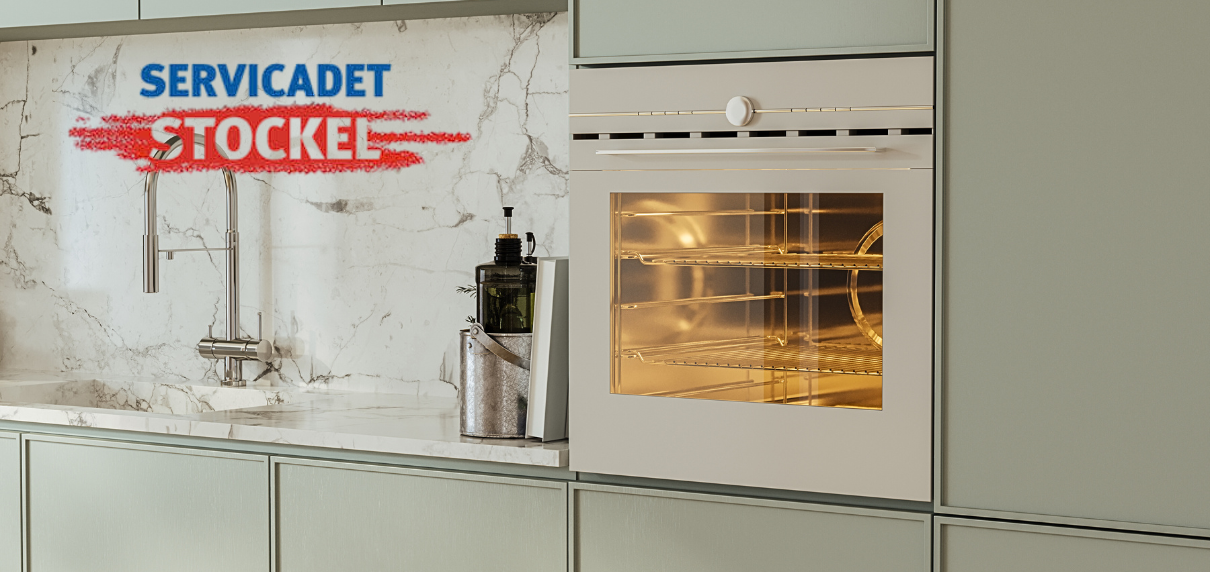
    A steam oven or combination steam oven can add options to everyday cooking. Preparing vegetables, reheating a dish or adding moisture during baking may be possible depending on the model. Not every oven with steam offers the same functions.

    What does steam do?

    Steam introduces moisture into cooking. This may help achieve the desired texture for certain foods. Results also depend on temperature, time, quantity and recipe.

    It does not prevent drying under every condition, and no appliance guarantees preservation of every nutrient. Avoid choosing solely on a blanket health promise.

    Comparing steam and hot air

    Pure steam and hot-air functions do different things. Steam may suit certain vegetables, fish or other preparations. Hot air may be useful for browning, gratins and baking.

    Check permitted accessories and dishes. The right method depends on what you want to make.

    What is a combination steam oven?

    A combination steam oven can combine conventional heat with steam capabilities. Steam quantities and available combinations vary. An oven with limited steam assistance is not automatically equivalent to a full steam oven.

    Compare programmes for your bread, baking and other recipes and check available manual settings.

    Everyday meals and reheating

    Moisture may help reheat suitable dishes pleasantly. That does not mean every leftover regains its original texture. Follow food-safety advice and instructions for storage and thorough reheating.

    Multi-level cooking may be practical when the appliance and dishes are suitable. Timings and settings still matter; do not assume every meal will be quicker.

    Maintenance and water supply

    Check whether the oven uses a reservoir or fixed water connection. Follow instructions for filling, emptying, drying and descaling. Clean the cavity and accessories with suitable products too.

    Maintenance therefore involves more than responding to a descaling reminder. The specific manual determines the necessary steps.

    Discussing your choice

    Do you mainly want to steam vegetables, bake bread or reheat meals? At Servicadet in Stockel, we compare ovens according to your recipes, available space and budget so you choose features you will use.

  • Open-plan kitchen: choosing appliances with noise in mind

    An open-plan kitchen connects cooking with living space. Households in Auderghem, Watermael-Boitsfort and neighbouring areas therefore often consider acoustic comfort too. What you hear depends on installation and the room as well as the appliance.

    Why consider noise?

    A dishwasher during a film or a hood during conversation can be noticeable. Think about when you use appliances and where people sit or work. The highest noise figure on paper does not always identify the most intrusive appliance in your home.

    Comparing decibels correctly

    Compare figures under the same measurement conditions and at comparable operating levels. A fridge rating cannot be placed beside a hood’s maximum-speed figure without context. Decibels are not linear; a small numerical difference is not simply the same percentage change in perceived loudness.

    The dishwasher

    For dishwashers, check stated noise and class alongside cycle duration and installation requirements. A quieter programme may have other differences. Correct fitting and clearance around connections help limit unwanted vibration.

    The cooker hood

    Choose a cooker hood for your hob and installation. Compare noise at a useful extraction speed, not only the lowest setting. Ducts, bends and filters can affect operation.

    See our guidance on sizing a cooker hood. Ducted extraction is not automatically quieter than recirculation in every installation.

    The fridge

    A fridge can make recurring compressor, fan or refrigerant sounds. Compare product figures and ensure stable positioning and required ventilation. A newer technology or higher price does not automatically guarantee silence.

    The induction hob

    An induction hob can produce fan noise or sounds from its interaction with cookware. Pan construction and power settings influence this too. Ask which sounds the manufacturer considers normal.

    A balanced choice

    Compare noise alongside capacity, energy use and your home. Appropriate sizing and correct installation matter more than maximum performance alone.

    At Servicadet in Stockel, we help you weigh the options. Describe your open-plan layout and when you use appliances so we can advise specifically.

  • Airfryer or oven: which uses less electricity?

    An airfryer heats a relatively small cooking space and can be practical for quick portions. But does it always use less electricity than an oven? Food quantity, cooking time and the number of consecutive batches all affect the answer.

    Why an airfryer can be useful

    For a small dish, an airfryer has less space to heat than a large oven. Depending on the recipe and appliance, heating and cooking time may be shorter. This can suit vegetables, breaded foods or a small portion of potatoes.

    Compact size or high wattage alone does not establish how much energy your meal needs.

    The advantages of an oven

    An oven often provides more room for large dishes, several preparations or baking. If an airfryer needs several batches for the same meal, include all that time in your comparison.

    Functions and internal dimensions also differ between ovens. Do not simply compare one airfryer cycle with an arbitrary oven preparation.

    Compare the same meal

    Consider the entire preparation, including any preheating and consecutive batches. Rated wattage alone is not actual energy use because heating can cycle on and off.

    A fair comparison needs the same food quantity and a comparable result. There is no universal winner for every household.

    Taste and texture

    An airfryer uses hot air and can produce crisp results, but these are not identical to deep frying. An oven may be more practical for larger items, casseroles and certain baking tins. Your desired result and recipes remain decisive.

    Oil and food choices

    Some airfryer recipes need less added oil than deep frying. That does not automatically make every dish healthy. Ingredients, portions and preparation matter. Follow temperature and time instructions and avoid unnecessarily dark browning.

    Which appliance suits you?

    An airfryer can suit small quantities and quick cooking. An oven may better serve large meals, several dishes or frequent baking. Sometimes both complement each other; sometimes your existing appliance is sufficient.

    See our comparison of ovens, deep fryers and airfryers. At Servicadet in Stockel, we help you compare capacity, use and available small appliances.

  • Induction hobs: what do flex zones and Boost offer?

    Cook frequently or enjoy using large pans? Flex zones and Boost deserve attention when choosing an induction hob. Names and operation vary by brand and model. This guide helps you compare features without assuming every hob supports everything.

    Flex zones: room for larger cookware

    Depending on the system, zones can be linked or a flexible area can support different pan sizes. This may be useful for an oval casserole, griddle or other larger induction-compatible cookware.

    Check required base dimensions and positioning. A flex zone does not guarantee every pan works everywhere or heats identically throughout. Settings that follow a moved pan are model-dependent too.

    Names such as FlexInduction and Bridge therefore do not necessarily describe identical features.

    Boost: temporary extra power

    On suitable hobs, Boost temporarily increases a zone’s power. This can be useful for bringing water to the boil faster, for example.

    Duration, power sharing between zones and restrictions depend on the hob and electrical connection. Do not automatically use Boost for an empty pan, a sensitive non-stick coating or oil: follow both pan and hob instructions.

    Keeping food warm

    A keep-warm function may help hold a dish at temperature while you finish other preparation. Check how it works on your appliance. It does not replace safe food storage, and prolonged holding can affect results.

    Is your cookware suitable?

    Check the induction symbol and cookware manufacturer’s instructions. A magnet sticking to the base is a useful indication, not a complete guarantee. Shape, base diameter and contact with the hob still matter.

    Safety and residual heat

    Induction heats the cookware, which transfers heat back to the glass. The surface can therefore remain hot. Observe residual-heat indicators and keep children away from hot pans and zones. Automatic pan detection does not replace supervision.

    Consumption and everyday convenience

    Appropriate cookware, a lid and a suitable power setting help efficient cooking. Faster heating does not automatically mean lower consumption in every situation. Compare features you will actually use and have electrical compatibility checked.

    At Servicadet in Stockel, we help you choose a hob for your kitchen, cookware and cooking habits.

  • Repair or replace a home appliance in 2026?

    A faulty home appliance does not automatically need replacement. Repair may make sense, but possibilities differ between faults and appliances. A diagnosis and clear cost estimate help you make a better-informed decision.

    Repairability as a buying criterion

    Ask about parts, maintenance and access to components before buying. Record the model and serial number and retain documents. Check support and parts arrangements for the specific appliance rather than assuming every manufacturer offers identical conditions.

    Which appliances may be repairable?

    Washing machines and dryers, dishwashers, ovens and fridges may be repairable depending on the fault. Possible causes include a pump, heating element, electronic component or seal.

    The seriousness of the fault, access and parts availability all affect practicality. Knowing the name of a component is not enough to establish the repair cost.

    When might replacement be preferable?

    Consider replacement when parts are unavailable, several problems occur together or the total repair cost is difficult to justify against expected remaining use. Demonstrably high consumption may matter too.

    A fridge’s age is a consideration, not an automatic replacement date. Compare specific consumption figures rather than simply old against new.

    Maintenance still matters

    Correct maintenance can help limit certain problems:

    • clean filters as instructed;
    • descale where specified;
    • respect maximum loads;
    • inspect seals and visible connections.

    Maintenance does not prevent every fault or guarantee a fixed number of extra years.

    Check parts and conditions

    For your appliance, establish available parts, prices and any warranty conditions. General repairability information does not mean every part is available indefinitely or that every repair is covered by warranty.

    Decide on the basis of a diagnosis

    Compare diagnosis and repair costs with a suitable replacement. Include age, overall condition, consumption, previous faults and your usage. Ask about the expected timescale too.

    Contact Servicadet in Woluwe-Saint-Pierre with a description of the problem and model number. Our team can help you explore next steps for after-sales support, repair or replacement.

  • Choosing energy-efficient home appliances in 2026

    Choosing a home appliance with low energy consumption can help limit running costs. Yet a recent purchase is not automatically more economical in your situation. Capacity, programmes, frequency of use and the condition of your current appliance matter too.

    Understanding the energy label

    Compare current labels within the same product category. An efficiency class is not an absolute consumption figure: check the stated kWh, capacity and measurement basis. A large fridge with a favourable rating may use more electricity than a smaller fridge in another class.

    Check whether figures are annual, per 100 cycles or expressed on another basis. Do not compare different test programmes as though they measure the same thing.

    Washing machines: capacity and programmes

    Washing machines may use sensors to adapt certain settings to the load. The automatically controlled parameters vary by model.

    • Choose a drum capacity suited to your household.
    • Compare consumption and duration for the stated test programme.
    • Use Eco 40-60 only for laundry that is suitable according to the instructions.
    • Dose detergent correctly and load without overfilling.

    Features such as Whirlpool 6TH SENSE can assist, but do not guarantee an identical saving on every wash.

    Fridges: consumption throughout the year

    A fridge usually runs continuously. Check annual consumption alongside capacity, placement and ventilation. Age alone does not establish how much a replacement will save.

    A properly closing door, appropriate temperature and sufficient ventilation remain important. Compare your current appliance’s figures with a specific new model.

    Heat-pump tumble dryers

    A heat-pump tumble dryer can need less electricity than a conventional electric dryer. Compare product figures and capacity. Cycle duration depends on the programme, load and remaining moisture, among other factors.

    Spinning laundry at a permitted setting and cleaning filters regularly help the appliance work correctly.

    Dishwashers and the eco programme

    For dishwashers, compare energy per 100 eco cycles as well as water per eco cycle. An efficiently used appliance may need less water than some hand-washing methods, but results depend on use.

    • Load properly without blocking spray arms.
    • Choose a suitable programme and consider eco for normally soiled dishes.
    • Take your own electricity contract into account if you have different tariffs.

    What do connected features add?

    Connected appliances may provide consumption information, programme assistance or maintenance reminders. Wi-Fi alone does not make an appliance more efficient. Check whether you will actually use the additional features.

    When does replacement make sense?

    First consider the condition and actual consumption of your fridge, freezer, washing machine or dryer. Include repair options, purchase price and the impact of manufacturing a new appliance. Replacing a working machine is not the best choice in every situation.

    Advice from Servicadet

    At Servicadet in Stockel, we compare energy figures, suitable capacity, installation requirements and potential running costs with you. An estimate requires your frequency of use and electricity price. This helps you choose for your home and habits rather than an efficiency letter alone.

  • Using a washing machine: six mistakes to avoid

    Correct washing-machine use helps care for both the appliance and your clothes. Habits such as overloading or excessive detergent can affect results. These six points provide a practical starting point.

    1. Overloading the drum

    Laundry cannot move properly in an overfilled drum. Respect the maximum load for the selected programme: the appliance’s overall capacity does not apply to every cycle. A permitted full load can be efficient; repeatedly washing very small loads is not automatically better.

    2. Adding too much detergent

    More detergent does not mean more cleaning power. Excess can cause foam and residues. Follow the packaging dosage and consider load size, soiling and water hardness. There is no universal one-scoop dose for every situation.

    3. Ignoring care labels

    Temperature, spinning and drying method must suit the fabric. Sort delicate items and check care symbols. A wool programme is suitable only if the garment’s label permits machine washing.

    4. Forgetting maintenance

    Clean the detergent drawer, door seal and accessible filters according to the manual. Washing machines do not all have the same filter system. Before opening a filter, follow instructions for switching off, cooling and any draining required. Check whether a maintenance programme is specified.

    5. Leaving objects in pockets

    Coins, keys and other objects can damage textiles or the appliance. Check pockets, close zips and use a laundry bag where appropriate. Follow specific instructions for clothing with metal parts or special finishes.

    6. Ignoring hoses and connections

    Look for leaks, visible wear and kinked hoses. Installation must meet water-supply and drainage requirements. If there is a leak or unsafe condition, stop using the appliance and follow its safety instructions; have repairs assessed by a suitable professional.

    A routine suited to your machine

    Read the manual, dose carefully and choose a programme suited to the fabric. At Servicadet in Stockel, we help with questions about using and choosing washing machines.

  • Connected home appliances: benefits and precautions

    Connected home appliances can make everyday tasks easier. Depending on the model, an app may let you check information about your fridge, washing machine or oven and control certain functions remotely. Convenience is only part of the picture: compatibility, privacy and software support matter too.

    The benefits of connected home appliances

    1. Everyday convenience

    Notifications when laundry is ready, preparing a programme or checking an appliance’s status are examples of functions that may be available. Voice-assistant control depends on the appliance, service and settings. Features are not identical across all models.

    2. Understanding consumption

    Some apps display consumption information or help you choose programmes. Sensors on suitable appliances can adapt operation to the load. Connectivity alone does not make an appliance more efficient: compare product figures and consider how you use it.

    3. Following maintenance needs

    Maintenance reminders and error codes can help you act promptly. Remote diagnostics and software updates may be available on certain models. A notification is not a substitute for professional assessment of a fault.

    4. Personal settings

    Favourite programmes and saved preferences can simplify recurring tasks. Check which settings the appliance can remember and which actions still need to be performed in person.

    5. Appliance alerts

    Some models warn about an open door, water leak or other irregularity. These are useful aids, not a guarantee that every incident will be detected. Always follow installation and safety instructions.

    Risks and precautions

    1. Secure your network and accounts

    Internet-connected equipment needs attention to digital security.

    • Use strong, unique passwords and change default passwords where possible.
    • Install updates following the manufacturer’s instructions.
    • Secure your Wi-Fi and consider a separate network for connected appliances if your router supports it.

    2. Review privacy settings

    Check which data the manufacturer collects and which permissions you grant the app. Read the terms, limit unnecessary permissions and disable optional tracking you do not need.

    3. Consider connectivity and compatibility

    Some online features become unavailable during an internet outage. Ask which basic functions remain usable offline. Check compatibility with your phone and any voice assistant, and ask about the duration of software support.

    4. Weigh the extra cost against usefulness

    A connected model may cost more. Decide whether its features genuinely suit your habits rather than assuming they will automatically save money.

    Visit Servicadet in Stockel, Woluwe-Saint-Pierre for personal advice. Together, we can identify the connected features that are useful for your household.